Do you lead an active lifestyle? Do the children in your life know about it? Motivating children to stay active and develop healthy habits can be a challenging endeavour. Parents, teachers and coaches across Ireland often wonder how to get children to enjoy movement, exercise and sport. Frustratingly, sometimes the harder they push, the less success they see.
But what if one of the most effective ways to convince children to be active is not through reminders or encouragement... but through example?
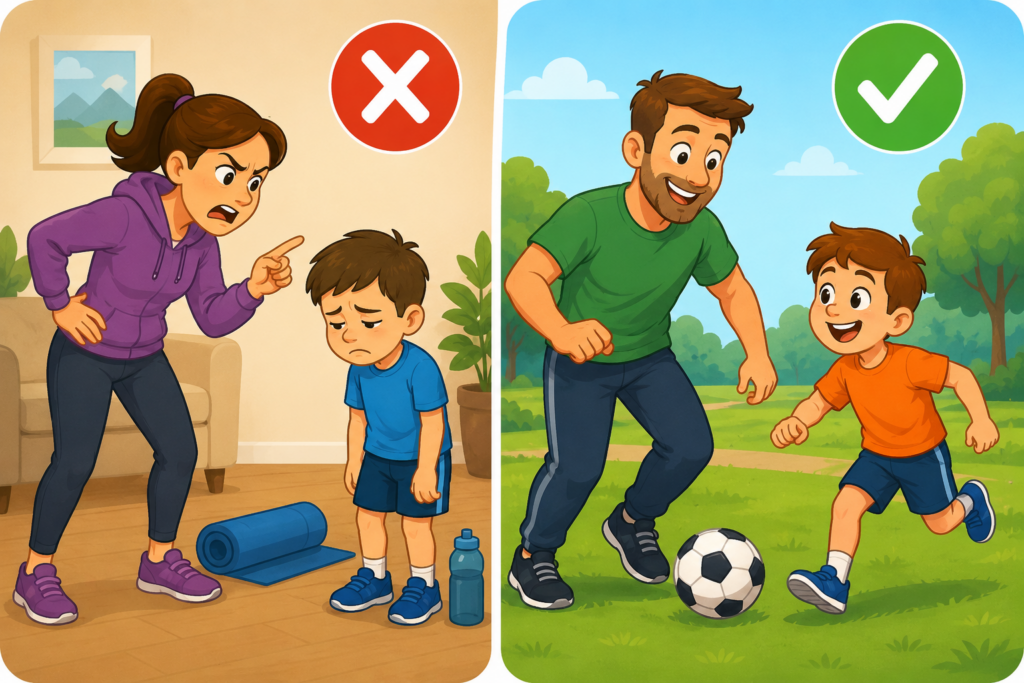
While the idea might be intuitive to some, research shows just how powerful this practice can be, with children far more likely to develop healthy habits when the important adults in their lives model those behaviours themselves. Whether at home, in school or through sport, active adults can have a powerful influence on children’s wellbeing, confidence and motivation to move.
Children spend much of their early lives around parents, teachers and role models. As a result, they naturally observe and imitate the behaviours they see every day.
This means that adult wellbeing, including physical activity, energy levels and attitudes toward exercise, can significantly shape children’s wellbeing and healthy habits.
Research has consistently shown that children are more likely to be physically active when the adults around them are active too.
A widely cited study published over 30 years ago by Moore and colleagues found that children from households where both parents were active were 5.8x more active than children whose parents were inactive (1). This group of researchers observed that one active parent was often beneficial, but two had a potent cumulative effect on the activity of the children. Interestingly, an active mother appeared to have an even stronger influence on children’s activity levels.
For teachers and coaches, the same principle applies. Research examining school and sports environments found that when teachers and coaches actively joined games and activities, children engaged in more high-intensity movement than when adults relied on verbal encouragement alone (2).
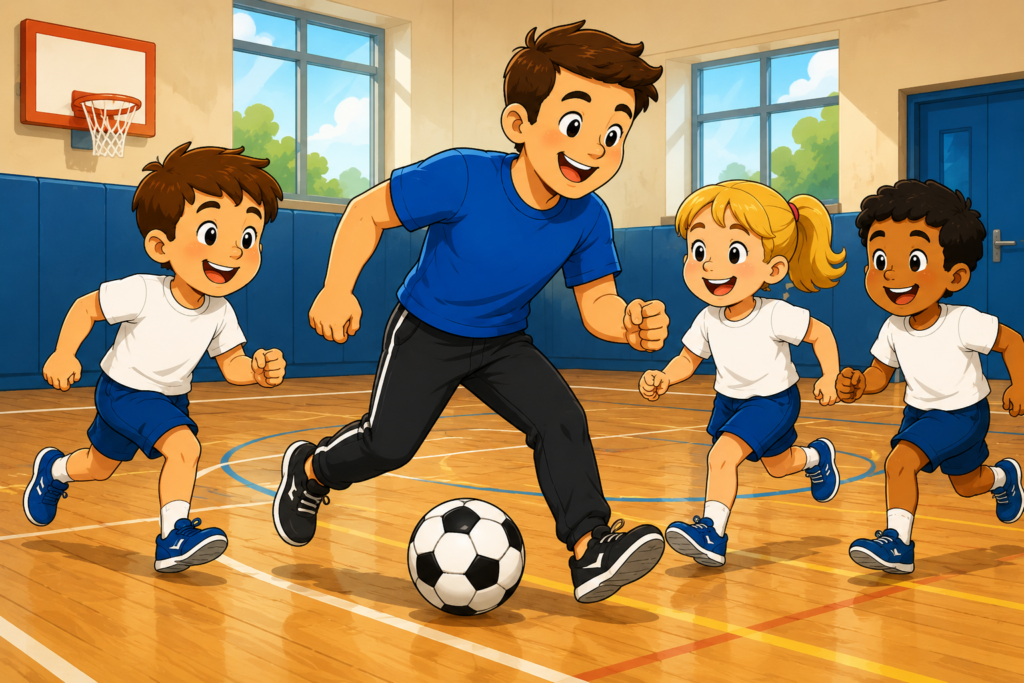
A real-life example of the old adage: "actions speak louder than words."
More recent studies have focused on the utilisation of adults’ activity as an opportunity for children's activity and vice versa. The co-sharing of physical interventions between parent and child (3), especially when viewed as a way to facilitate familial bonding and relationships, resulted in both maintaining higher levels of activity over time.
One research project published in 2025 highlights this effect, observing that shared activities contributed to 33% of a child’s and 17% of a parent’s daily physical activity (4).
Another important factor in children’s wellbeing is physical literacy.
Physical literacy refers to the confidence, motivation, skills and knowledge children need to participate in physical activity successfully.
When children struggle with movement skills or lack confidence, they are less likely to participate in PE, sport or active play. This can create a cycle:
Low physical literacy → low confidence → lower motivation to participate
Something that has been demonstrated numerous times in the research literature (5) and a topic we've discussed in length before (Read here!).
However, when adults engage in activity alongside children, children often build confidence more quickly through observation, encouragement and practice.
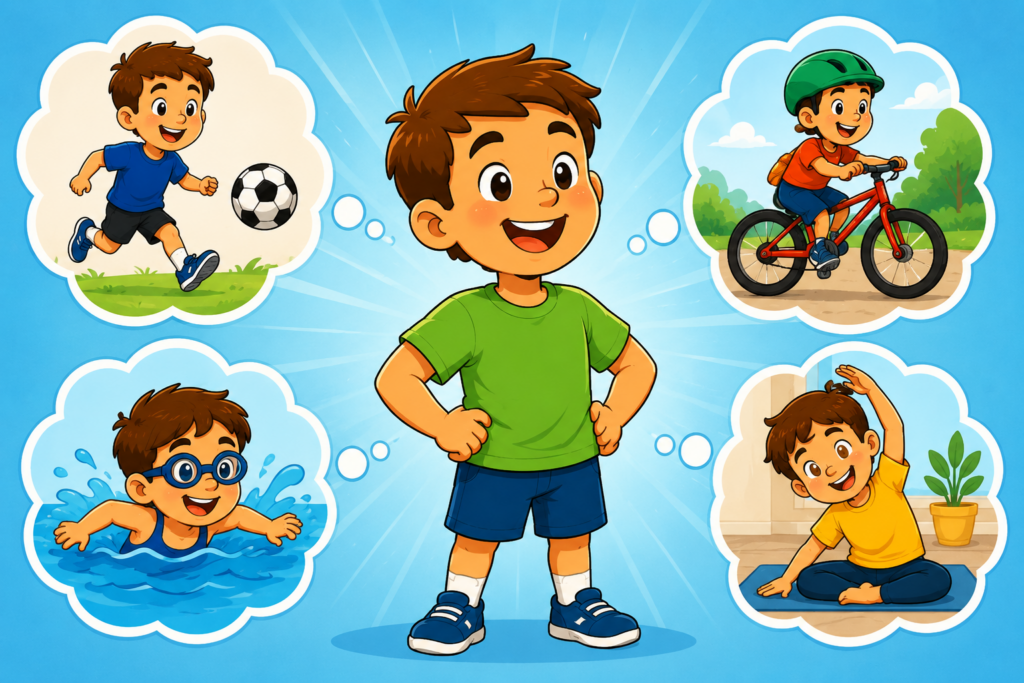
At School Fitness Ireland, we regularly see children become more confident in movement when physical activity feels fun, supportive and achievable.
Research from the B-Proact1v Project found something particularly interesting: why adults exercise matters just as much as how much they exercise.
Adults who exercised because they genuinely enjoyed movement were more likely to stay consistent than those motivated mainly by guilt, pressure or appearance goals (6).
Children notice this.
When they see adults enjoying movement, physical activity becomes something positive and normal, not something people “have to do”.
Over time, this can have a lasting impact on children’s attitudes toward exercise and healthy habits.
In addition, regular exercise can improve energy (7), attention (8) and mental perseverance (9) which can potentially assist in the cultivation of a better teaching environment and more enthusiastic PE.
Understanding the psychology behind these effects is important, but perhaps most important is learning…
Here are some simple ways parents and teachers can help children develop healthy, active lifestyles.
If most of your exercise happens in a gym, children may never actually see you being active.
Try doing one workout at home, going for walks together or making movement more visible in daily life.
Children are more likely to value physical activity when they see trusted adults prioritising it.
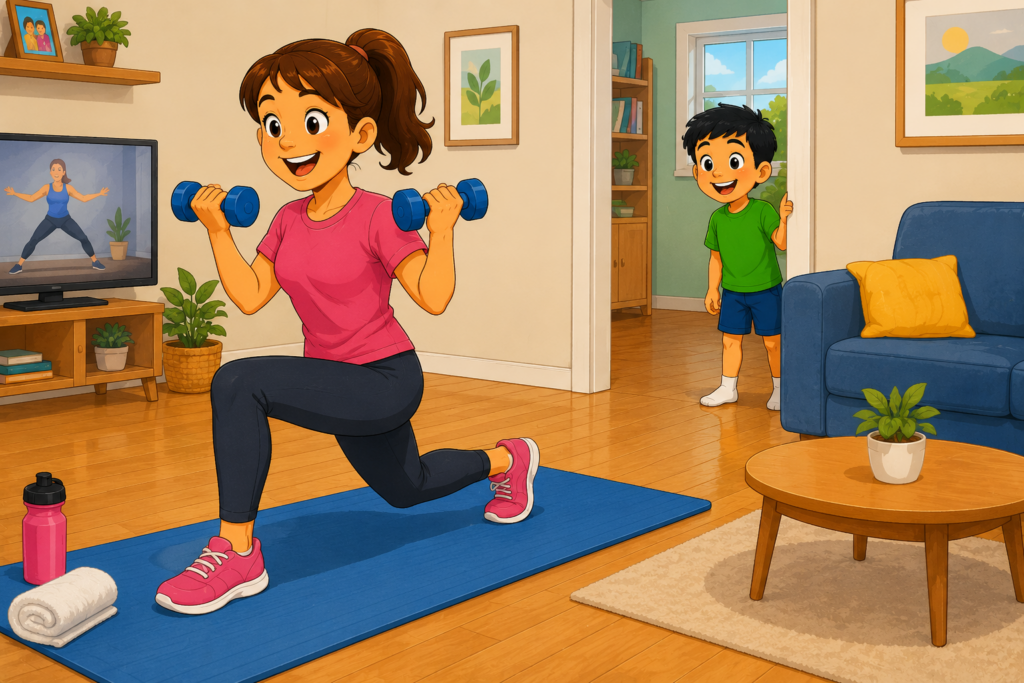
Shared physical activity can improve both fitness and relationships.
You could:
Research suggests that shared activity benefits both adults and children and helps maintain long-term participation.
Children are more likely to stay active when movement feels fun and achievable.
Help children:
The same applies to adults.
Choosing activities you genuinely enjoy makes consistency much easier.
Movement does not have to happen only during organised exercise.
Try:
Small daily habits can make a big difference over time.
At School Fitness Ireland, one of our goals is helping children discover activities they genuinely enjoy.
By offering engaging PE experiences, fun fitness sessions and a wide variety of activities, including less traditional sports, we help schools create positive relationships with movement and physical activity.
Looking to introduce something new to PE, improve school wellbeing or help children become more active? you can explore our programmes or get in touch to book a session for your school by clicking the button below.
References:
Physical activity is defined as any bodily movement that occurs due to the contraction of skeletal muscle, resulting in energy expenditure (CDC. 2019). Regular physical activity is extremely beneficial for both physical and mental wellbeing. It helps to reduce the likelihood of, and manage noncommunicable diseases such as heart disease, diabetes and some forms of cancer; reduces symptoms of depression, anxiety and stress; and enhances cognitive abilities (WHO, 2020).
In order to ensure that people are physically active enough to avail of the benefits mentioned above, the World Health Organisation has developed recommended guidelines to follow. The Irish Department of Health also follows these same guidelines.
So what are the current recommended physical activity guidelines for children and teenagers? These differ depending on the child’s age. The World Health Organisation recommends the following:
| Age | Recommendations |
| Infants (less than 1 year) | - Be physically active several times throughout the day with floor-based play/ tummy time - Not be restrained (pram, high chair, baby carrier) for more than 1 hour at a time - Try to keep them engaged during sedentary time with reading/ storytelling |
| 1-2 year olds | - Spend 180 minutes being physically active at any intensity (spread throughout the day) - Not be restrained (pram, high chair, baby carrier) for more than 1 hour at a time - Try to keep them engaged during sedentary time with reading/ storytelling |
| 3-4 year olds | - Spend 180 minutes being physically active at any intensity, of which 60 minutes is at moderate to vigorous intensity (spread throughout the day) - Not be restrained (pram) or sitting for more than 1 hour at a time - Keep screen time to less than 1 hour, try keep them engaged during sedentary time with reading/ storytelling |
| 5-17 year olds | - Spend 60 minutes a day doing moderate to vigorous activity everyday. - Incorporate activities that will help with bone and muscle strengthening and development 3 days a week - Incorporate activities to improve flexibility - Limit sedentary time as much as possible |
From the above recommendations you can see, we are advised to be active at every point in our lives!
Despite clear evidence showing the benefits of physical activity, only 15% of children in Ireland are meeting the recommended physical activity guidelines of 60 minutes moderate to vigorous aerobic activity a day. These are the findings of the Children’s Sport Participation and Physical Activity study published in 2022. While this report did show a 2% increase in physical activity levels in children compared to data collected 5 years previous, a lot of work still needs to be done to improve this number in upcoming years.
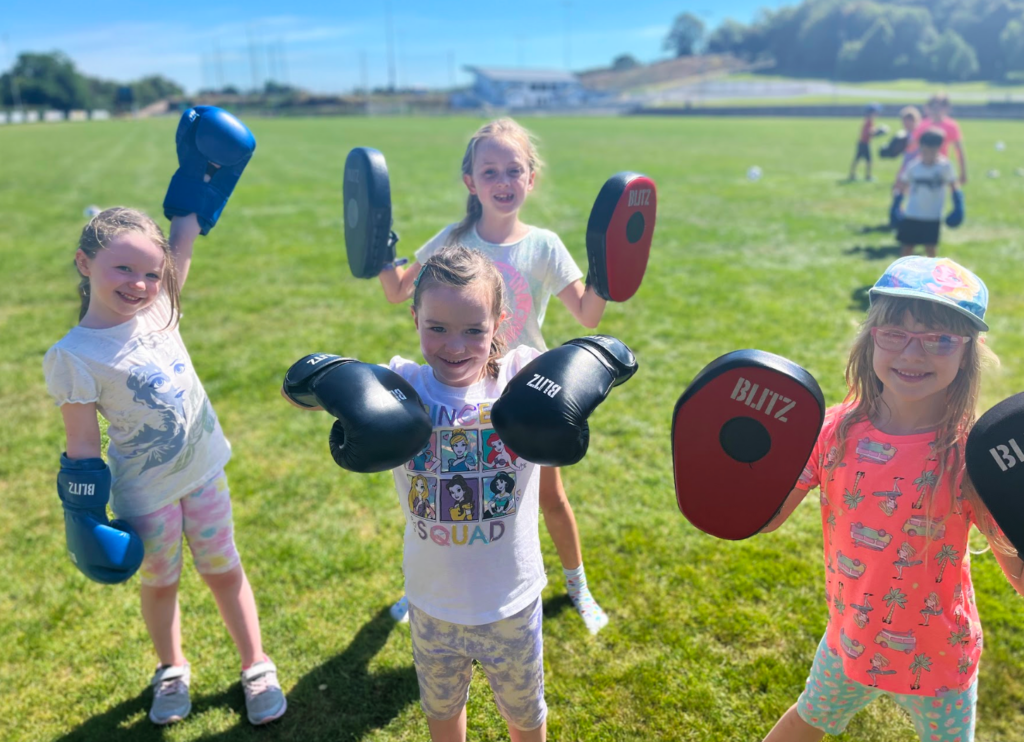
It’s important to ensure that our children and young people are as active as possible in early life, as physical activity levels during childhood are the best predictor of physical activity levels during adulthood (Telama et al., 2005).
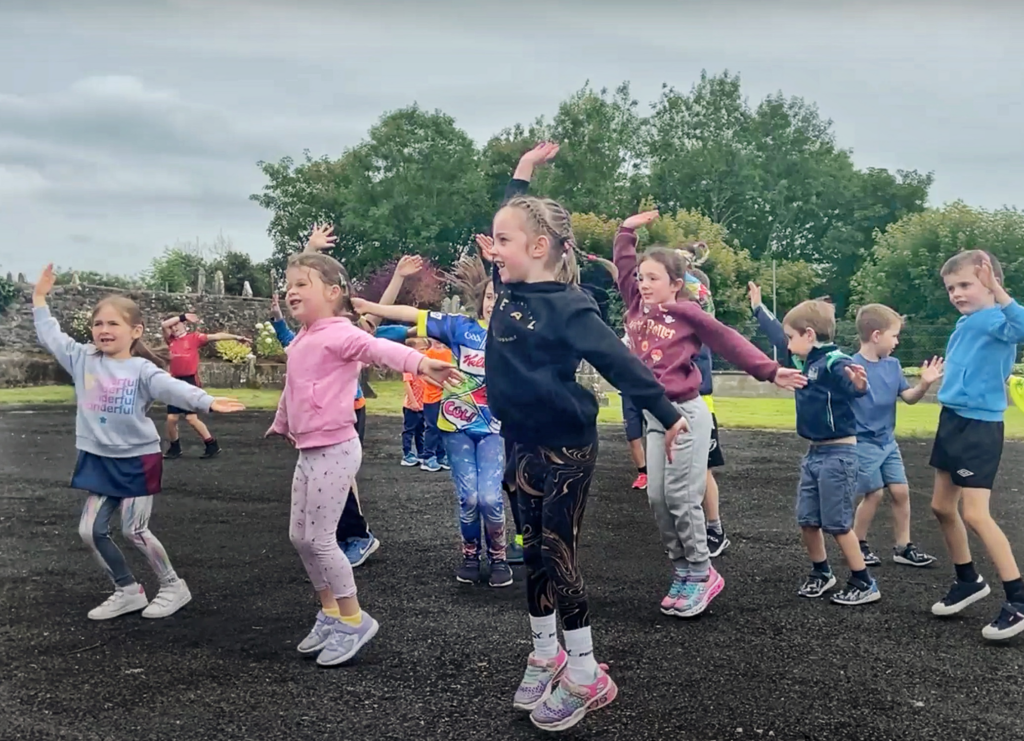
So how can we ensure that children and young people are consistently meeting these recommended guidelines for physical activity? While the recommendations might seem quite daunting or unrealistic at first, they can be tailored to the individual’s lifestyle quite easily. While it’s recommended that children complete 60 minutes of moderate to vigorous aerobic activity a day, this just needs to be the accumulated amount, meaning it can be broken up throughout the day. For example, it might be a 10 minute walk to and from school. After school, you might bring your child to the playground or for a cycle around the park for 20 minutes. When you get home , you and your child might try out some fun dancing or active play together for 15 minutes. Then to finish off the day, you might incorporate some active breaks into their screen time e.g. during each ad break, they have to perform 10 jumping jacks. All of this gets you up to 60 minutes quite easily!
Notice how this example doesn’t include any after school activities such as football training or swimming lessons and it also doesn’t take physical activity during yard time into consideration, so there is no need to be intimidated by the 60 minute recommendation! Check out our suggestions of hitting your 60 minutes below.
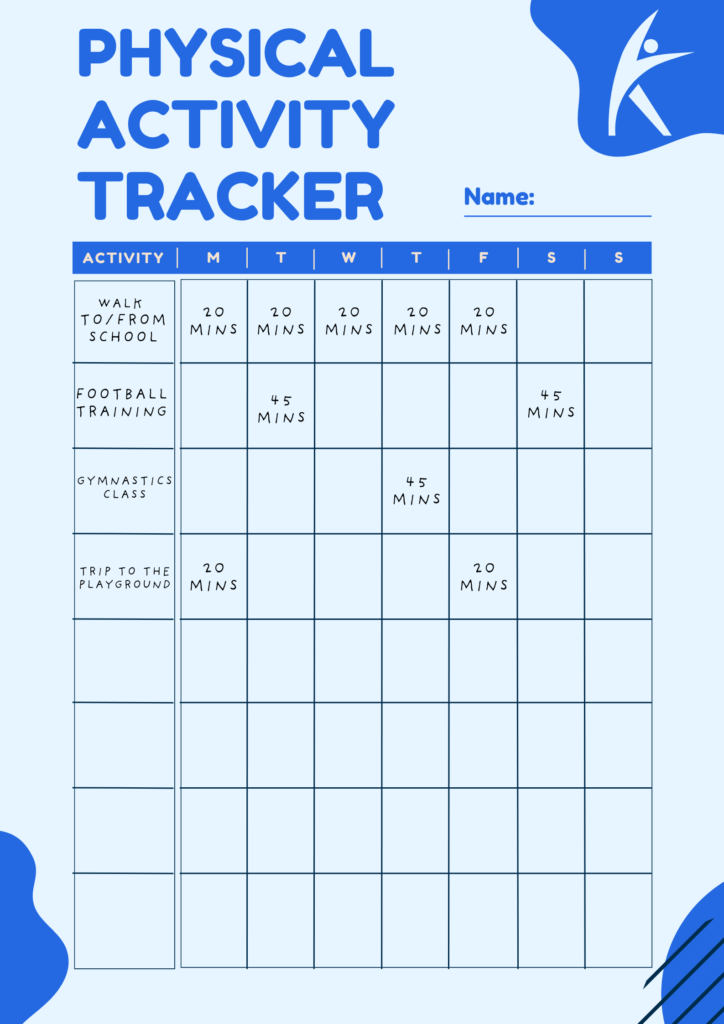
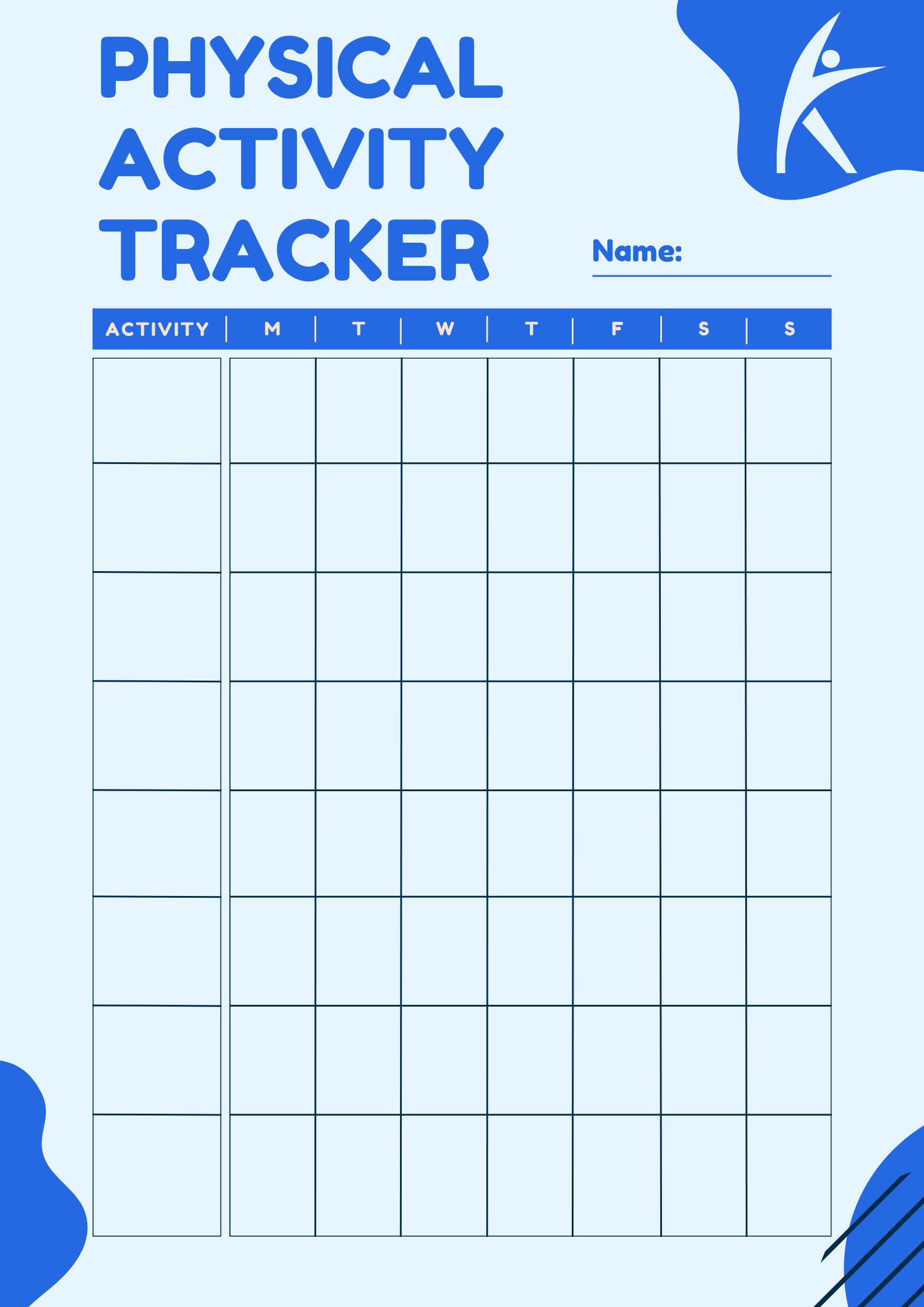
Below, you will find a table that you can fill out to help ensure your child is hitting their 60 minutes of moderate to vigorous physical activity everyday! Fill in the activities you know they will definitely be doing throughout the week (walking to school, football training etc.) and the amount of time they will spend at them. This way you can easily see how much more time needs to be spent being active. You can see our example below and you can also print off your own version to fill out. You could even try to have your children design and decorate their own table to try encourage and motivate them to take accountability.