Summer is the time of year in which children’s physical activity reaches its highest levels (1), especially in Ireland where colder temperatures and poor weather may reduce total movement during Autumn and Winter (2). There are however, perhaps unconsidered factors that come into play during the summer holidays which can reduce total physical activity and minimise potential health benefits.
Being aware of them and developing strategies to deal with these issues may create a “health buffer” for the year, where maximising health benefits during Summer can mitigate the consequences of more sedentary behaviours during the later months of the year.
So where can we start?
While more movement occurs during Summer, the majority of that activity happens while children are still attending school. Although holiday time and periods of rest are undoubtedly important for physical and mental rejuvenation, once the summer break arrives activity levels can fall drastically, a phenomenon highlighted well by one study which reported an 18% decrease in total activity and a 45% decrease in moderate-to-vigorous intensity activity (3).
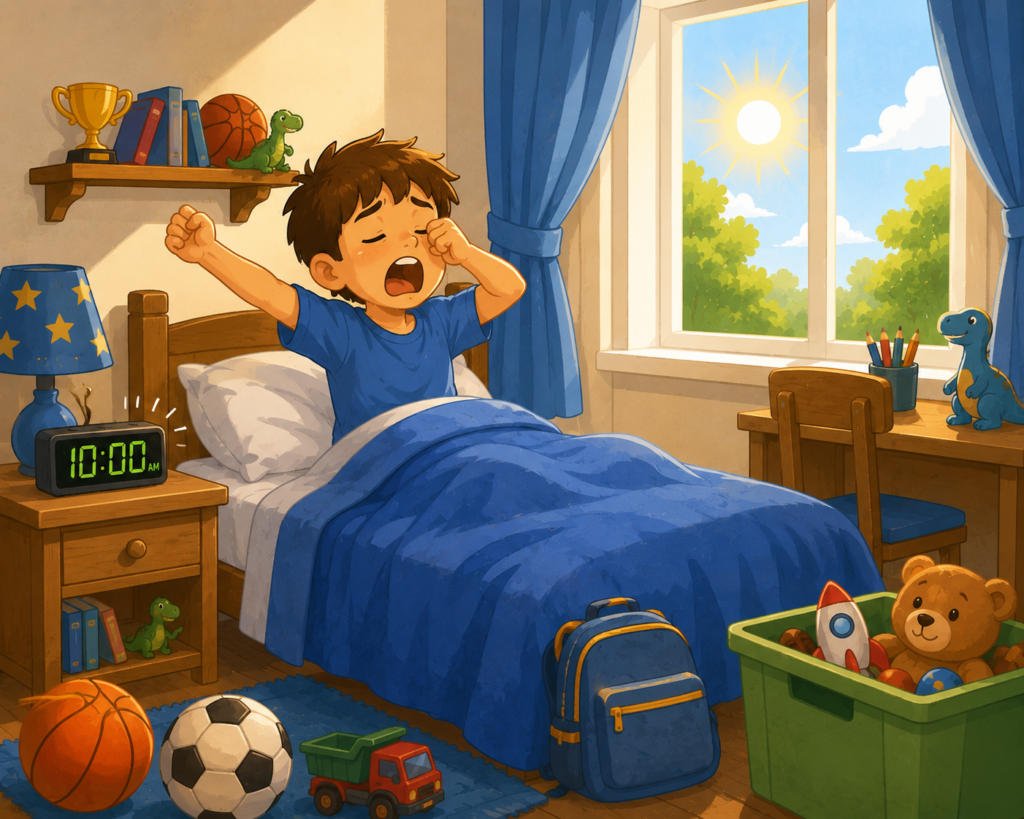
The reason behind these changes has been outlined by “The Structured Days Hypothesis” (4), which states that the routine provided by a school day, such as scheduled break times, physical education classes, commuting to school actively (e.g. on foot or cycling etc.) and after school sports or active clubs fills up time during the day that might otherwise have been used for sedentary activities like screen time. When the school term finishes that’s exactly what was observed to happen for children who were not enrolled in summer camps or had some sort of parental intervention.
Having a daily routine involving both intentional physical activity and tasks requiring movement as well as structured activities organised by parents such as sports camps, extra afternoon or evening time activities, or joint parent-child workouts (a powerful tool we discussed in our last blog here) are just some of the easily implemented solutions to this dilemma!
At School Fitness Ireland we run summer camps all through the summer with that focus in mind. If you’re looking for an active camp for a child or student in your life, you can check out our upcoming camps by clicking here.
While the importance of hydration and heat management are well understood by most in terms of their contributions to general wellness and staying cool, one often overlooked aspect is their interaction with our energy and motivation levels.
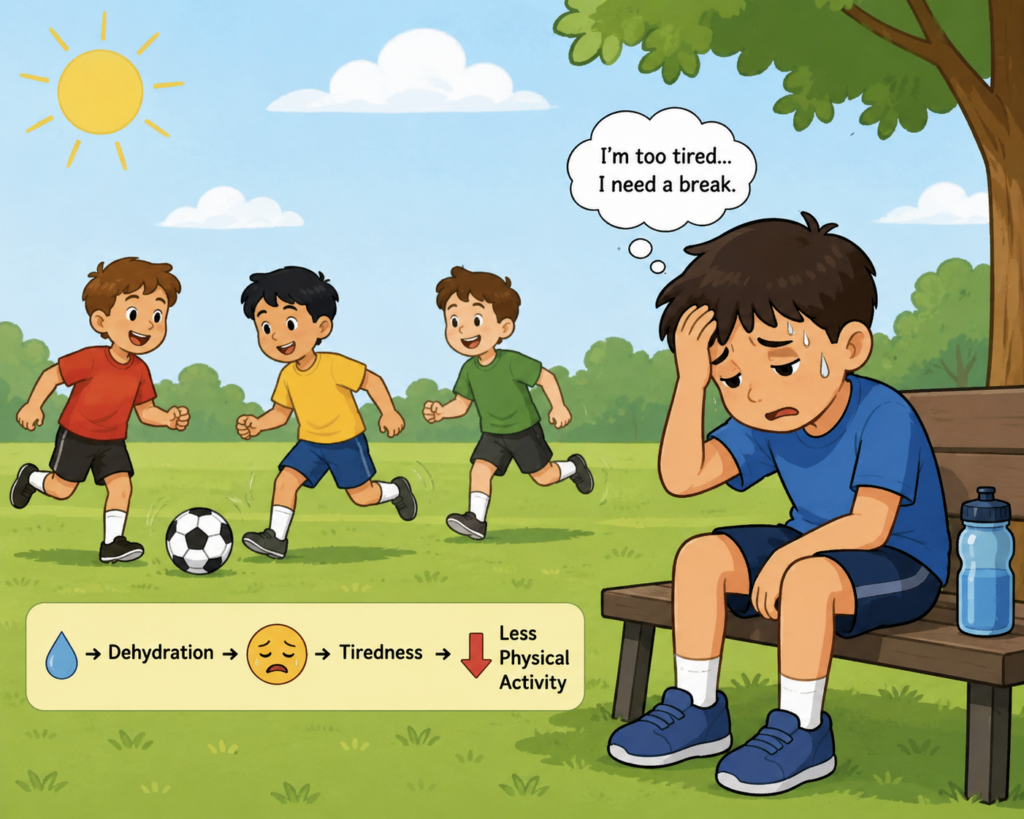
Dehydration causes everything to feel more difficult and tiring (5). Your brain cells have to work harder and fire many more neurons to do the same tasks as when you’re hydrated, not only because a lack of water impairs brain function, but because the brain purposely tries to stop our bodies from wasting energy by making us feel fatigued and directs our attention towards finding water.
Children are even more susceptible than adults to this pitfall for several reasons.
The Effects of Dehydration in children:
| Dehydration level: | Effect: |
| 1% of bodyweight | - Visual attention and alertness drop (8). - Fatigue and grumpiness set in (9). - The heart has to beat faster to maintain the same cardiac output e.g. more effort to run the same distance and speed (10). - Tasks require more conscious effort. (11) |
| 2% of bodyweight | - Short-term memory recall drops (9)(12). - Steep drop off in cognitive performance (9)(5). - Physical coordination deteriorates (13) - Apathy or lack of interest in active play peaks (14). |
| 3+% of bodyweight | - Physical symptoms appear, such as headaches and dry mouth (14). - Severe drop in concentration (14). - May become highly irritable, confused, or lethargic (15). - Muscle strength and endurance drops significantly (16) |
For a child that’s 25kg this would equate to a water loss of:
Based on these studies, it’s easy to see how dehydration can reduce a child’s enjoyment of physical activity, their productivity in a sport session or school and their confidence in their physical abilities, a massive predictor of how motivated a child will be to participate in physical activity (17).
So the benefits of hydration are clear, raising the question:
How much fluids should children drink per day?*
| Age Range | Fluid Intake per Day (mL) | Fluid Intake per Day (Glasses) |
| Infants (6–12 months) | 640 - 800mL | ~2.5 to 3.5 glasses |
| Toddlers (1–2 years) | 880 - 960mL | ~4 glasses |
| Toddlers (2–3 years) | 1,040mL | ~4.5 glasses |
| Children (4–8 years) | 1,280mL | ~5.5 glasses |
| Older Girls (9–13 years) | 1520mL | ~6.5 glasses |
| Older Boys (9–13 years) | 1,680mL | ~7.5 glasses |
| Adult Women | 1,600mL | ~7 glasses |
| Adult Men | 2,000mL | ~8.5 glasses |
*According to the European Food Safety Authority (EFSA) Guidelines assuming 80% of total fluid intake comes from consuming liquids (the above amounts) while another 20% comes from food intake (not represented here) (18)
Some studies have shown even 300 ml of water (just over 1 measuring cup of water) in the morning can cause an immediate positive change in children’s mood, how energetic or tired they felt and their attention levels (12)(19)
Electrolytes are also an important component of rehydration after exercise or a long period of sweating. When we sweat we excrete salt (a source of electrolytes) through the skin which pulls water to the surface of our bodies and helps us cool down. Without those electrolytes it becomes harder for the body to pull water into the right places, e.g. muscles and organs, and rehydrate itself. So adding a variety of electrolyte sources such as nuts, fruit like bananas and lemons or dairy products to your post activity hydration routine can make a big difference in how quickly and effectively you hydrate your body.
It doesn’t only have to be water either! Here's a ranking of drinks based on how hydrating they can be*:
| Rating | Drinks |
| A+ | Milk - Contains electrolytes like calcium to help rehydrate |
| A | Water - Excellent, but lacks electrolytes Lemon/Lime water - Can add a small amount of electrolytes and flavour Tea - Unsweetened, can be just as effective as water Isotonic sports drink - Best for rehydrating after prolonged heavy sweating |
| B | Squash - High water content and low to zero sugar |
| C | Juice - Can contain high amounts of natural or added sugar |
| D | Soft drinks - Too much sugar can dehydrate you |
*Rating does not consider health effects of the listed beverages.
Like dehydration, children are at increased risk of overheating compared to adults, an issue exacerbated by hotter summer temperatures. This is due to a combination of factors such as their thermoregulation system (the system responsible for maintaining optimal body temperature) being underdeveloped, their sweat glands producing less sweat and lacking the judgement required to take actions to cool down e.g. removing layers of clothing, drinking fluids, stopping play etc. compared to adults.
In Ireland with temperatures rising each summer and weather being prone to frequent fluctuation, overheating is becoming a greater concern. Due to the high humidity, which makes sweat harder to evaporate, and the lack of acclimatization it is more difficult for children to cool down here than in dryer climates where temperatures are more stable year round. Sunburn, something cool Atlantic winds can prevent Irish children from detecting, also damages skin, impairing its ability to shed heat from the body.
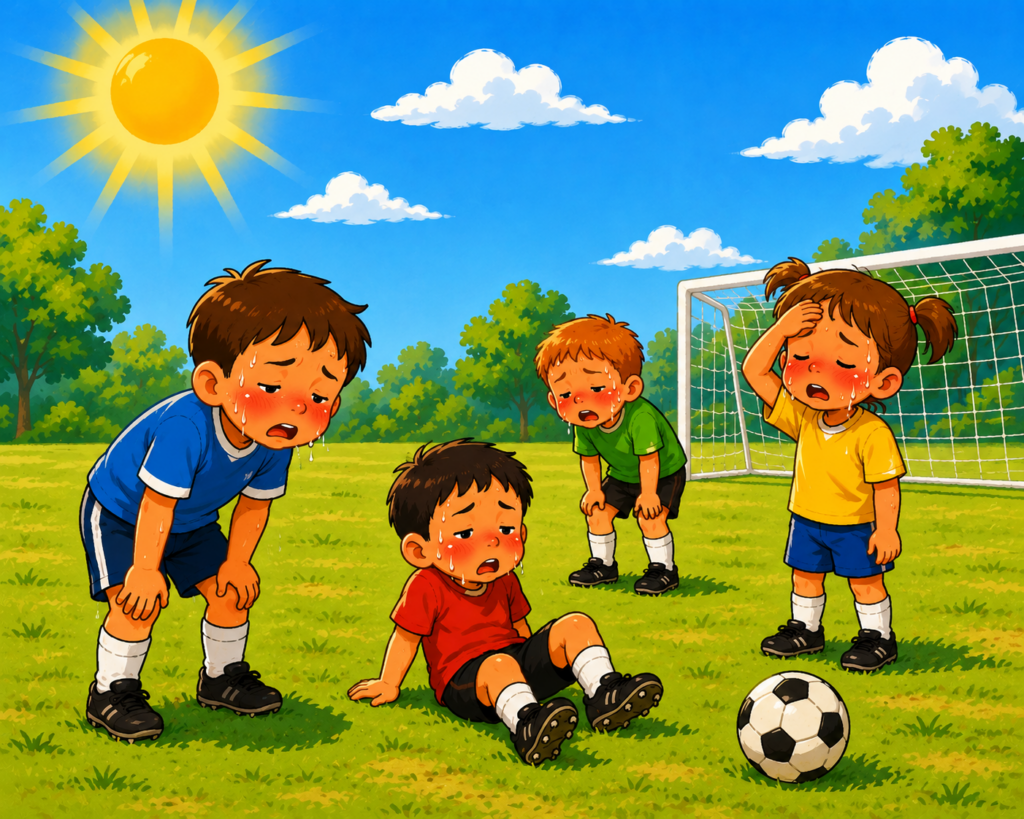
Research shows that children tend to move less, take less steps and have a higher heart rate during outdoor play in hotter weather (19). Overheating can produce similar symptoms to dehydration as well as accelerate dehydration itself.
For example:
Hot temperatures have also been shown to have negative effects on sleep quality (23) which in turn can mean children have less energy and enthusiasm for activities such as exercise.
As a result, developing cooling strategies to maximise physical activity participation during warm weather may be another simple but effective method for preventing an unhealthy level of sedentary time during the summer break.
Strategies could include:
Children’s motivation to play is much higher when they are around other children. Without a centralised location like school for kids to come together and play 5 days a week and the irregular holiday schedules summer brings, it can be harder to organise play and movement during the summer break. This can lead to children resorting to sedentary activity like screentime.
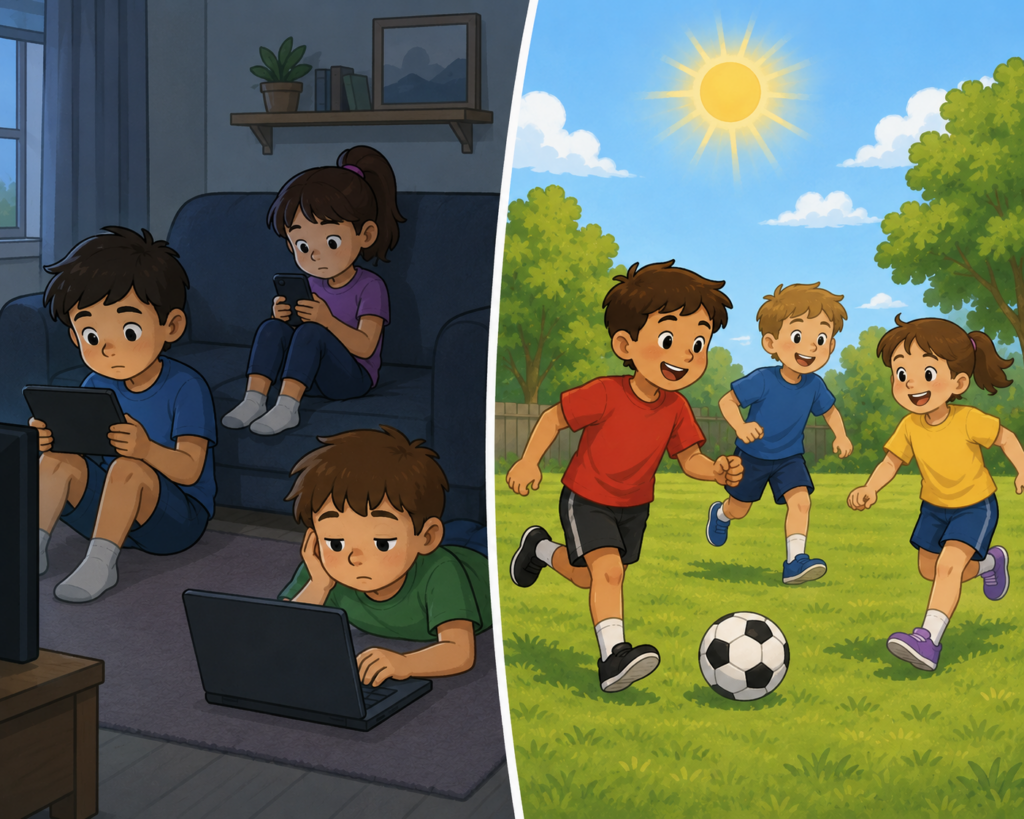
During term time, parents tend to enforce stricter limits on screen time to protect homework, sleep, and morning routines. Without these constraints during summer break children’s screen time on average has been shown in one study to increase by over 30 minutes per day and sedentary time by over 20 minutes per day (24). Over days and weeks, this extra time stacks up, leading to less physical fitness and decreased health (25).
Additionally the low effort, short term reward that screen time tends to provide can, over time, make the stimulation physical play, sports and activities offer feel underwhelming in comparison, reinforcing and increasing sedentary time further, while making it harder for children to find the same or much enjoyment at all in physical activity. While simply restricting screen time may seem like the solution, this approach can become counterproductive.
Control over screen time can be a source of conflict between parent and child if it is implemented without certain strategies. Additionally, solutions that may work in the short-term may make the problem worse in the long term, as forcing kids away from screens without their “buy-in” can have the psychological effect of making technology feel like a scarce and highly prized resource. Therefore careful consideration should be taken before establishing limits.
For example:
Sudden requests to turn off a device - Don't
While doing so may be reflexive, this kind of action can cause a defensive reaction from the child as the command feels arbitrary and a form of power struggle.
Create Clear Routine Boundaries - Do
For example: No screens before breakfast or after 8 P.M. gives the child some autonomy regarding their screen habits while protecting their brains during the most vital parts of the day. The reasoning can be clearly understood by the child creating a greater sense of “fairness”
Hide devices as a punishment - Don’t
At least as a first port of call or for unrelated misdemeanours (e.g. Not doing their chores). This focus on devices can further inflate their value, making them even more sought after.
Avoid devices being easily accessed - Do
When not in use, have devices (including your own) stored out of sight in an agreed location, ideally a cabinet where a child must ask for parental permission and can’t absent-mindedly grab and use it without any deliberate effort.
Take away devices with no alternative entertainment - Don’t
If the child doesn’t have a go-to activity before or after screen time they will often become bored and irritable, spending their free time thinking about screens.
Make non-screen activities easy access - Do
Keep toys, puzzles, art supplies, books or sports equipment in places where they will see and use them. Reducing the effort it takes to begin an activity will encourage them to engage more often. Even better, do an activity with them!
Organising camps, playdates, sports or days out will of course also keep them preoccupied.
Have completely different rulesets - Don’t
When a child sees an adult glued to their phone while being restricted from their own they will view the restrictions as hypocritical. At younger ages especially, children mimic adult behaviour.
Be a role model for screen use - Do
Leading by example and limiting your own screen time is one of the most persuasive methods. Not only is this more motivating for a child, it’s healthy for YOU. Less screen time may mean more time spent together bonding! Make it a challenge, practice what you preach.
References:
Do you lead an active lifestyle? Do the children in your life know about it? Motivating children to stay active and develop healthy habits can be a challenging endeavour. Parents, teachers and coaches across Ireland often wonder how to get children to enjoy movement, exercise and sport. Frustratingly, sometimes the harder they push, the less success they see.
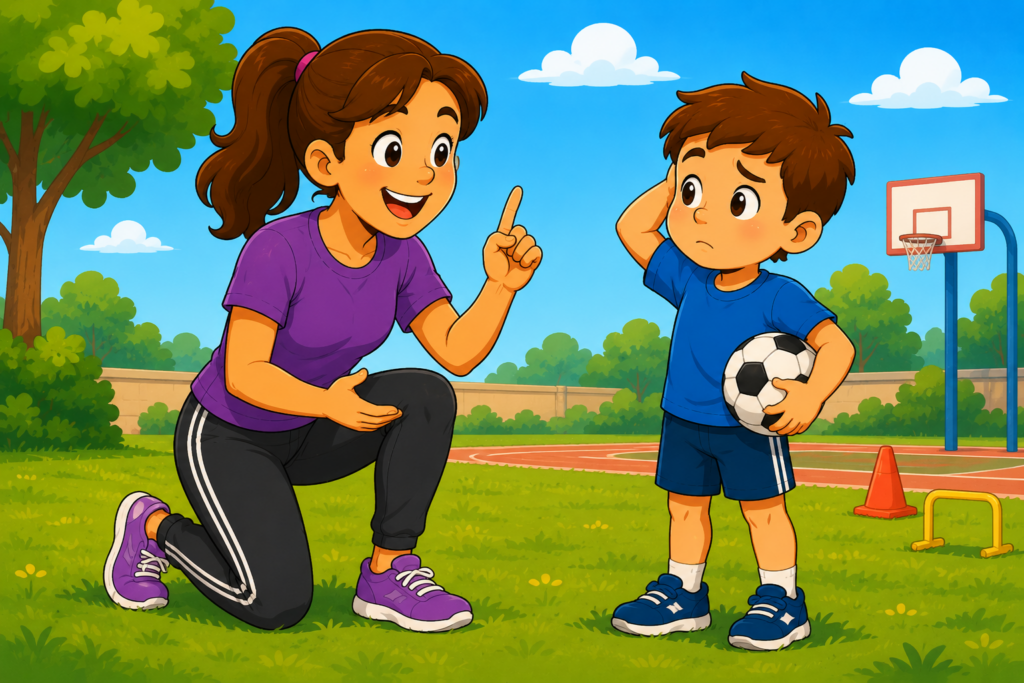
But what if one of the most effective ways to convince children to be active is not through reminders or encouragement... but through example?
While the idea might be intuitive to some, research shows just how powerful this practice can be, with children far more likely to develop healthy habits when the important adults in their lives model those behaviours themselves. Whether at home, in school or through sport, active adults can have a powerful influence on children’s wellbeing, confidence and motivation to move.
Children spend much of their early lives around parents, teachers and role models. As a result, they naturally observe and imitate the behaviours they see every day.
This means that adult wellbeing, including physical activity, energy levels and attitudes toward exercise, can significantly shape children’s wellbeing and healthy habits.
Research has consistently shown that children are more likely to be physically active when the adults around them are active too.
A widely cited study published over 30 years ago by Moore and colleagues found that children from households where both parents were active were 5.8x more active than children whose parents were inactive (1). This group of researchers observed that one active parent was often beneficial, but two had a potent cumulative effect on the activity of the children. Interestingly, an active mother appeared to have an even stronger influence on children’s activity levels.
For teachers and coaches, the same principle applies. Research examining school and sports environments found that when teachers and coaches actively joined games and activities, children engaged in more high-intensity movement than when adults relied on verbal encouragement alone (2).
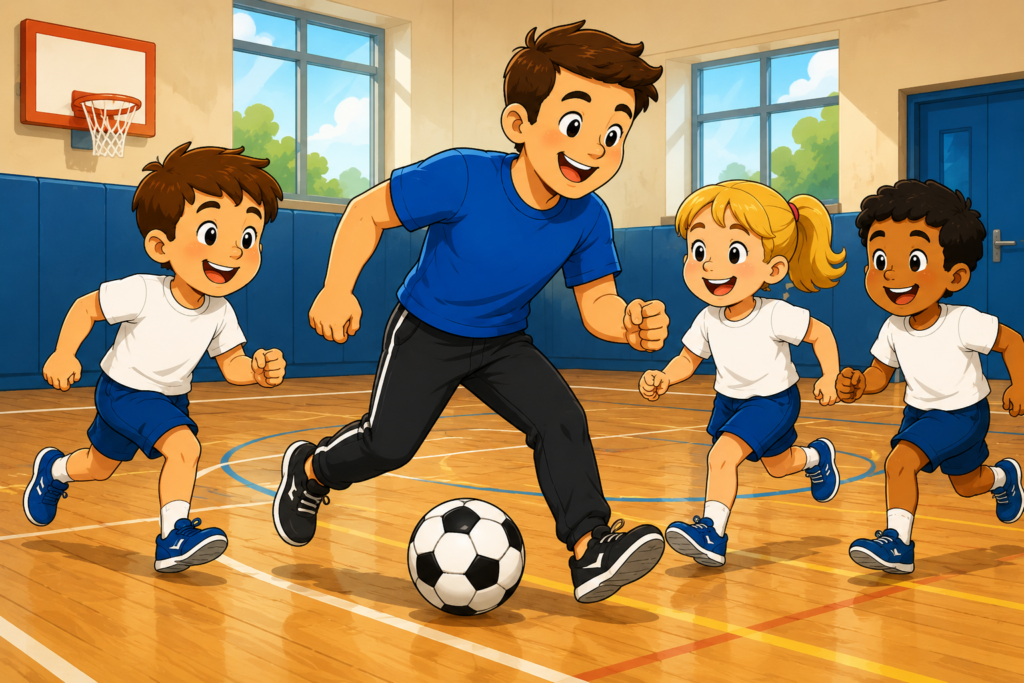
A real-life example of the old adage: "actions speak louder than words."
More recent studies have focused on the utilisation of adults’ activity as an opportunity for children's activity and vice versa. The co-sharing of physical interventions between parent and child (3), especially when viewed as a way to facilitate familial bonding and relationships, resulted in both maintaining higher levels of activity over time.
One research project published in 2025 highlights this effect, observing that shared activities contributed to 33% of a child’s and 17% of a parent’s daily physical activity (4).
Another important factor in children’s wellbeing is physical literacy.
Physical literacy refers to the confidence, motivation, skills and knowledge children need to participate in physical activity successfully.
When children struggle with movement skills or lack confidence, they are less likely to participate in PE, sport or active play. This can create a cycle:
Low physical literacy → low confidence → lower motivation to participate
Something that has been demonstrated numerous times in the research literature (5) and a topic we've discussed in length before (Read here!).
However, when adults engage in activity alongside children, children often build confidence more quickly through observation, encouragement and practice.
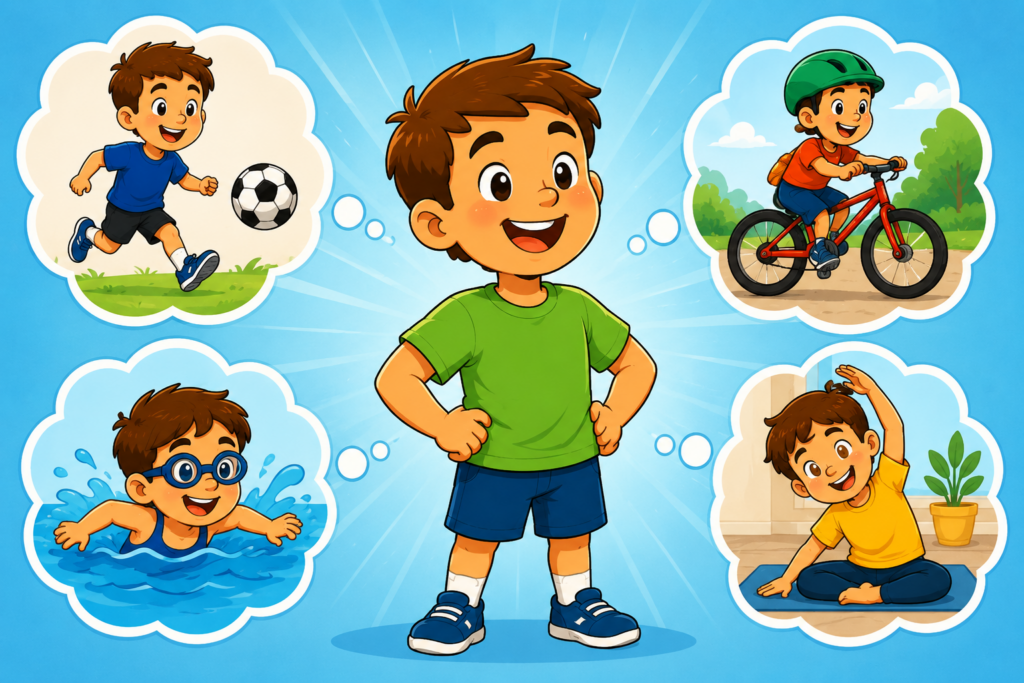
At School Fitness Ireland, we regularly see children become more confident in movement when physical activity feels fun, supportive and achievable.
Research from the B-Proact1v Project found something particularly interesting: why adults exercise matters just as much as how much they exercise.
Adults who exercised because they genuinely enjoyed movement were more likely to stay consistent than those motivated mainly by guilt, pressure or appearance goals (6).
Children notice this.
When they see adults enjoying movement, physical activity becomes something positive and normal, not something people “have to do”.
Over time, this can have a lasting impact on children’s attitudes toward exercise and healthy habits.
In addition, regular exercise can improve energy (7), attention (8) and mental perseverance (9) which can potentially assist in the cultivation of a better teaching environment and more enthusiastic PE.
Understanding the psychology behind these effects is important, but perhaps most important is learning…
Here are some simple ways parents and teachers can help children develop healthy, active lifestyles.
If most of your exercise happens in a gym, children may never actually see you being active.
Try doing one workout at home, going for walks together or making movement more visible in daily life.
Children are more likely to value physical activity when they see trusted adults prioritising it.
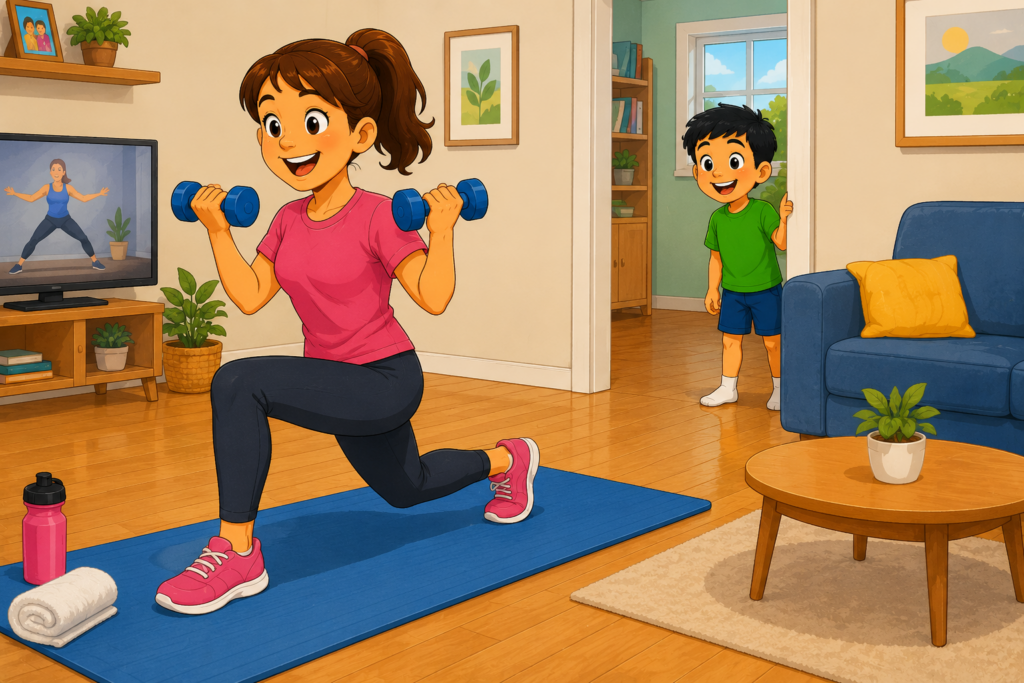
Shared physical activity can improve both fitness and relationships.
You could:
Research suggests that shared activity benefits both adults and children and helps maintain long-term participation.
Children are more likely to stay active when movement feels fun and achievable.
Help children:
The same applies to adults.
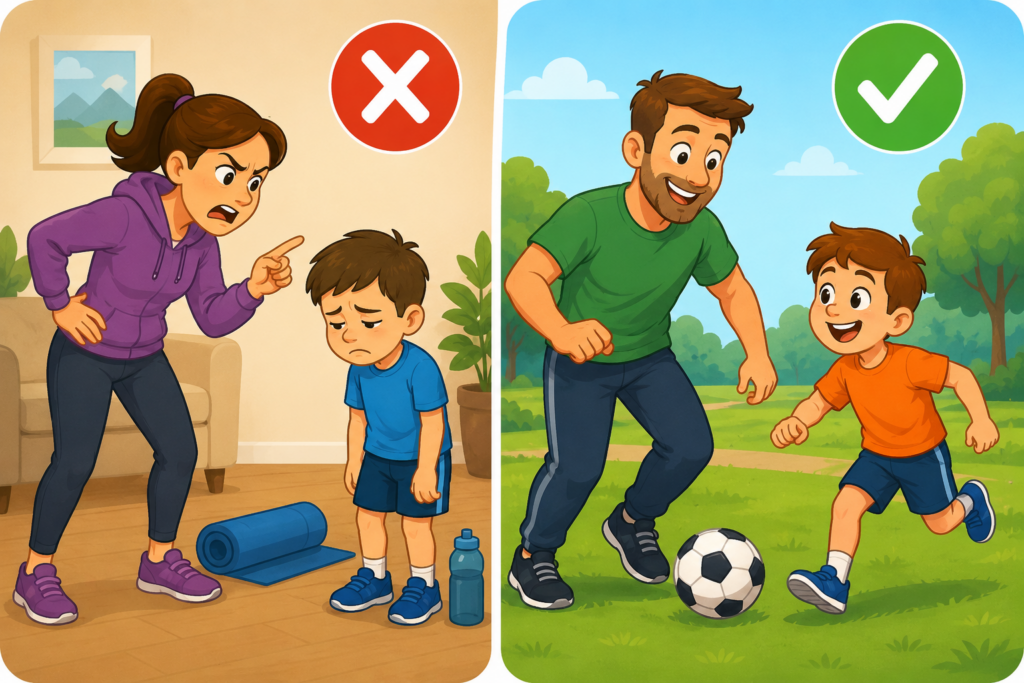
Choosing activities you genuinely enjoy makes consistency much easier.
Movement does not have to happen only during organised exercise.
Try:
Small daily habits can make a big difference over time.
At School Fitness Ireland, one of our goals is helping children discover activities they genuinely enjoy.
By offering engaging PE experiences, fun fitness sessions and a wide variety of activities, including less traditional sports, we help schools create positive relationships with movement and physical activity.
Looking to introduce something new to PE, improve school wellbeing or help children become more active? you can explore our programmes or get in touch to book a session for your school by clicking the button below.
References:
Karate offers far more than physical activity alone. For children with disabilities, structured martial arts training can support strength, coordination, confidence, focus and emotional regulation. In Irish schools, inclusive karate programmes are increasingly being used as part of broader school fitness and wellbeing initiatives, helping children of all abilities participate in meaningful physical activity.
Karate is particularly effective because it is structured, adaptable and self-paced. This allows children to progress at their own speed while feeling supported, valued and capable. For schools across Ireland looking to enhance inclusive physical education, karate provides a safe, engaging and empowering option.
Karate is based on controlled bodyweight movements that develop strength without the need for external weights. This makes it especially suitable for children with additional needs, as movements can be adapted and repeated safely.
Regular karate practice helps children to:
Balance is a key component of karate training. Practising stances and controlled kicking movements teaches children how to stabilise their bodies, shift weight effectively and engage their core muscles. These skills can help reduce the risk of falls and improve confidence in movement both inside and outside school.
Slow, deliberate transitions between movements also strengthen the body–mind connection. Partner drills and pad work further enhance hand–eye coordination and timing in a supportive, non-competitive environment.
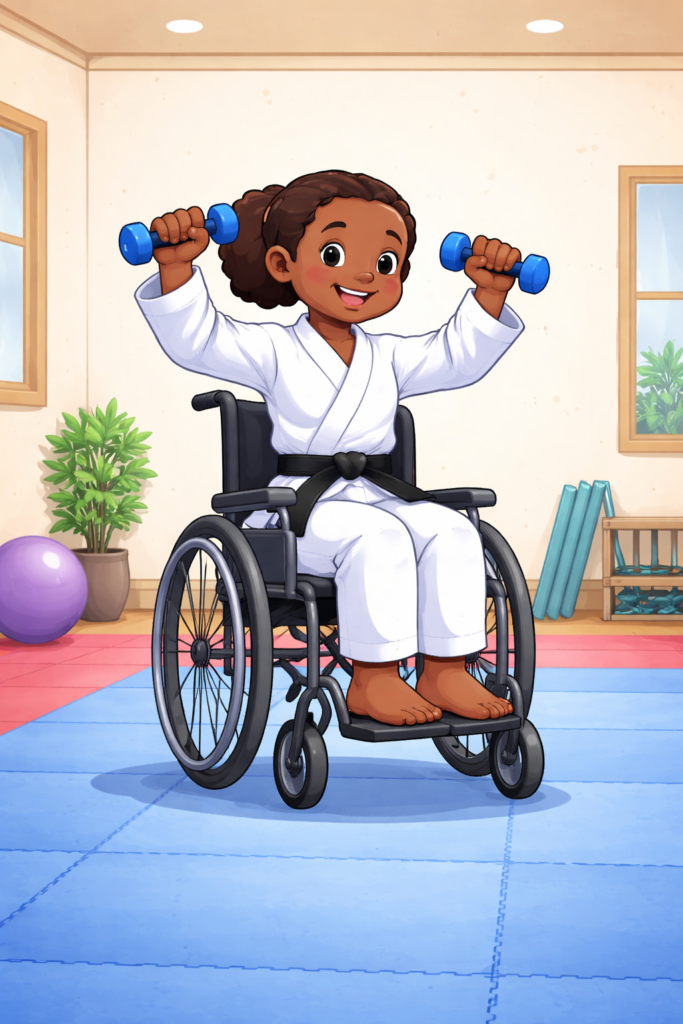
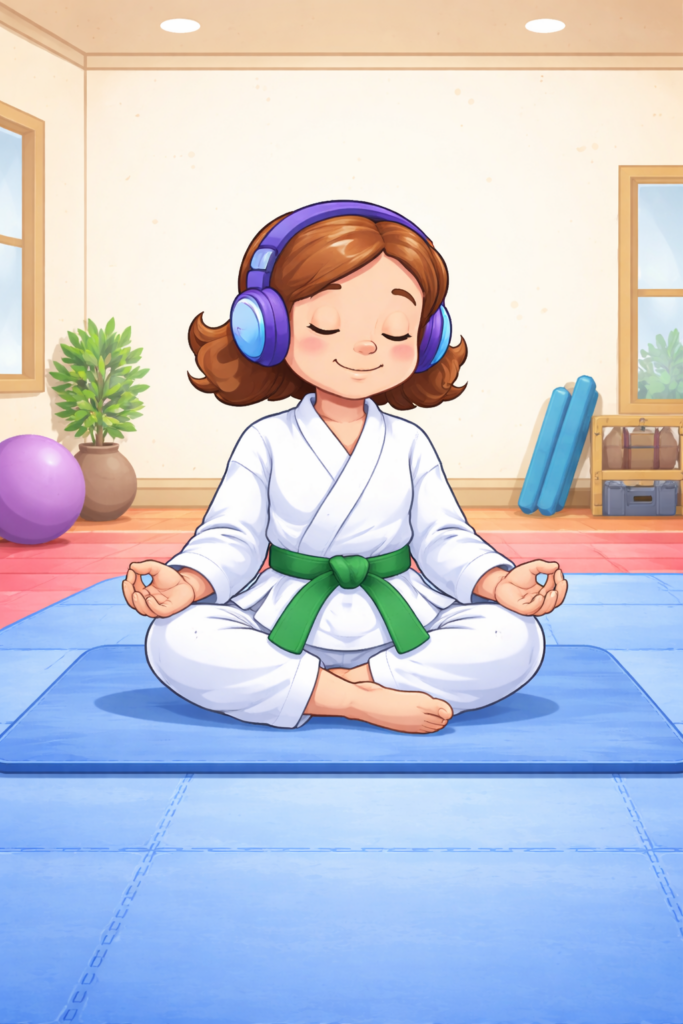
Karate classes follow a predictable structure, which is particularly beneficial for children who may struggle with concentration, sensory processing or emotional regulation. Each class typically includes a warm-up, technique practice, drills and a cool-down, creating consistency and routine.
Through karate training, children learn to:
Breathing techniques are also integrated into karate sessions. These exercises help calm the nervous system and teach children practical tools for managing stress and anxiety. Many students transfer these skills into classroom situations and everyday life.
For children with autism or anxiety, the structured and predictable rhythm of karate classes can be especially reassuring. Knowing what to expect each week creates a safe learning environment where confidence can grow gradually.
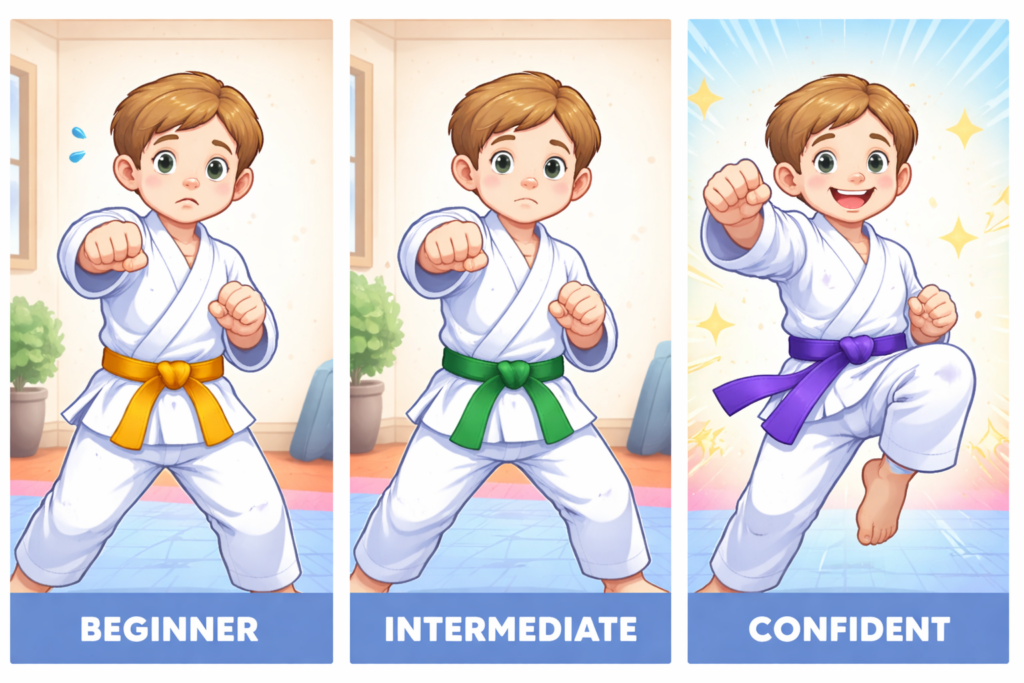
One of the most powerful benefits of karate for children with disabilities is the development of confidence and self-belief. Progress in karate is visible and measurable through learning new techniques, earning stripes and advancing through belt levels.
Karate promotes an “I can” mindset, reinforcing the idea that with practice and perseverance, new skills are achievable. Children are encouraged to focus on personal improvement rather than comparison with others.
This positive reinforcement helps to:
Because karate is self-paced, children can develop at a speed that suits them, free from the pressure often found in competitive team sports.
Karate classes provide a welcoming and inclusive community where children work together toward shared goals. Higher-graded students often support beginners, encouraging cooperation rather than competition.
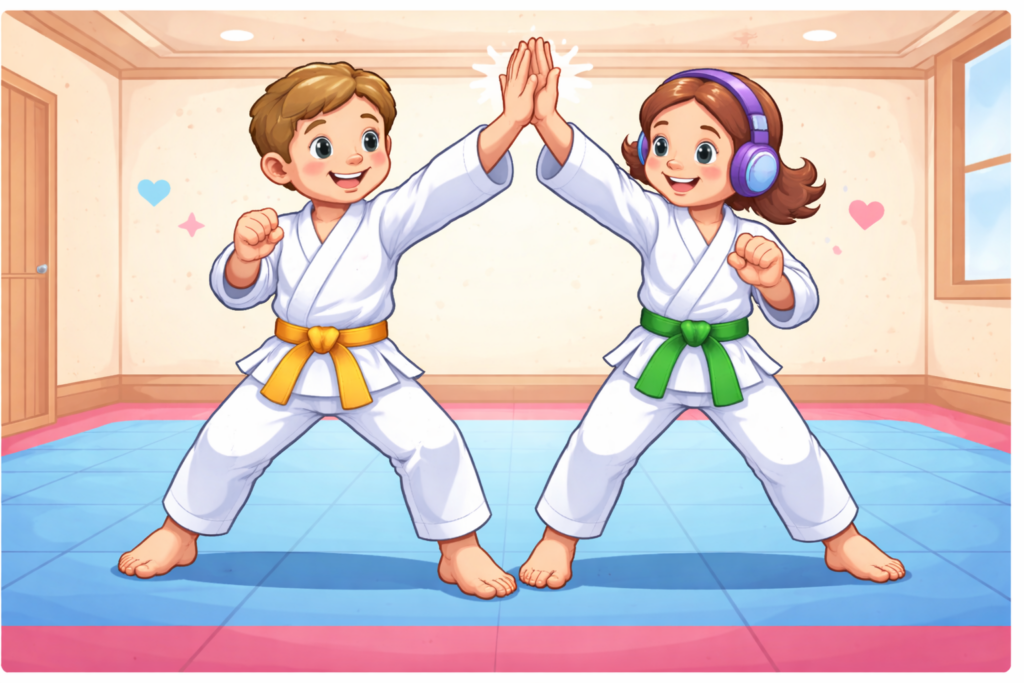
Group activities and partner drills help children:
Unlike many team sports, karate focuses on personal growth rather than winning or losing. This makes it an ideal activity for children who may feel overwhelmed by competitive environments.
Karate is also built on respect. Children learn to respect instructors, peers and themselves through simple traditions such as bowing, patience and helping others. These social skills often transfer positively into classroom and school settings.
Karate offers children a healthy outlet for emotions such as frustration, anxiety and stress. Physical movement provides a safe and controlled way to release energy, particularly for children who may find it difficult to express feelings verbally.
The structured nature of a karate class creates consistency and predictability, reducing anxiety and supporting emotional regulation. Over time, children learn how to manage their emotions while developing resilience.
Breathing techniques taught in karate help calm the nervous system and promote self-control. These tools can be used beyond the dojo, supporting children at home and in school environments.
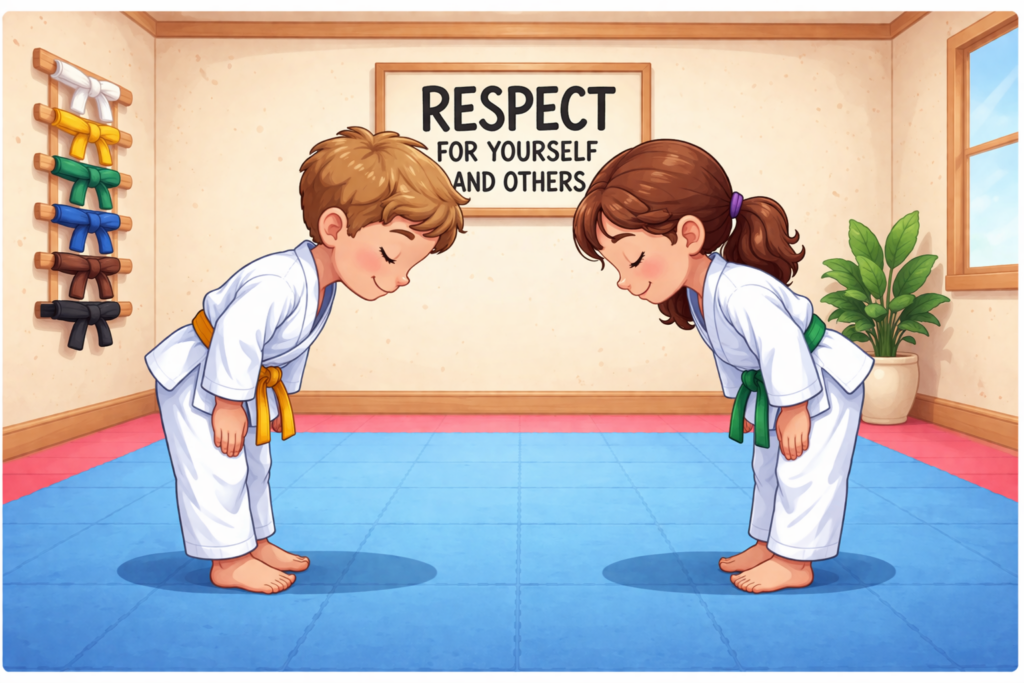
Respect is a core value of karate and is taught from the very first class. Children learn that respect is shown through actions as well as words.
Karate also helps children develop:
These values help build strong character and support long-term personal development, benefiting children well beyond physical fitness.
Schools across Ireland are increasingly focusing on inclusive physical education and student wellbeing. Karate aligns well with these goals because it can be adapted for all abilities and delivered in a structured format.
Inclusive karate programmes can support:
Because karate does not rely on traditional team selection, every child can take part and progress at their own level.
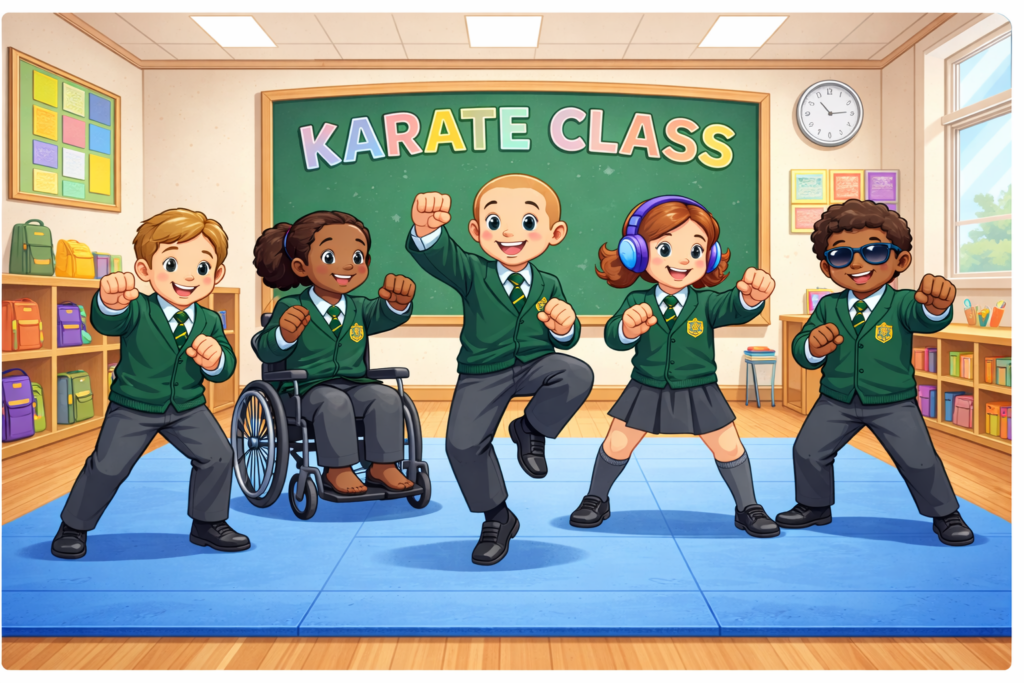
School-based karate sessions can be delivered during PE lessons, wellbeing weeks or as part of inclusive school fitness programmes. Sessions are designed to be safe, structured and engaging, ensuring all children feel supported.
Inclusive karate programmes help schools to:
Yes. Karate's structured and predictable format helps children with autism develop routine, focus and emotional regulation while improving motor skills.
Yes. Movements can be modified and taught at an individual pace, allowing all children to participate safely.
Karate can be introduced from junior infants through to secondary school, with activities adapted for each age group.
Karate focuses on individual progress rather than competition, making it ideal for inclusive physical education settings.
Karate offers much more than physical exercise for children with disabilities. Through structured movement, consistent routines and positive reinforcement, children develop strength, focus, confidence and emotional resilience.
Most importantly, karate creates an inclusive environment where every child is supported, valued and encouraged to succeed at their own pace. When incorporated into school fitness programmes in Ireland, karate can be a powerful tool for helping children thrive both inside and outside the classroom.
Looking for inclusive fitness programmes for your school?
Inclusive karate sessions can support children of all abilities through structured, engaging movement designed specifically for schools. School Fitness Ireland offer 6 week karate programs that achieve just that, led by coaches with extensive years of training in, and coaching, martial arts.
Click Below and Book an Inclusive Karate Programme for Your School in Ireland today!
During the primary school years, children experience rapid brain development. Between the ages of 5 and 11, the brain is constantly building new connections that support learning, memory, and emotional growth. One of the most powerful ways to support this development is through regular physical activity.
Research in neuroscience and education shows that exercise does much more than improve physical health. It also strengthens brain function, enhances learning ability, and supports mental wellbeing. For primary school children, regular movement can improve concentration, reduce stress, and help develop important social and emotional skills.
In this article, we explore how exercise fuels children’s brain development and why physical activity is essential in primary school education.
Physical activity plays a key role in helping children grow both mentally and physically. As children learn new skills in school, their brains rely on strong neural connections to process information, solve problems, and remember what they have learned.
Exercise supports these processes by:
Schools that promote regular movement throughout the day help create healthier, happier, and more engaged students.
One of the most important benefits of exercise is its impact on cognitive development. Regular physical activity helps improve several key brain functions that children rely on for learning in the classroom.
Exercise increases blood flow to the brain, delivering oxygen and nutrients that allow brain cells to function effectively. It also stimulates the release of brain-derived neurotrophic factor (BDNF), a protein that supports the growth and development of neurons and strengthens connections between brain cells. These connections are particularly important during childhood, when the brain is still forming networks that support learning and memory.
Research by Hillman, Erickson, and Kramer (2008) found that children who engage in regular physical activity show improvements in:
These cognitive improvements can help students concentrate for longer periods of time and perform better academically in subjects such as reading, maths, and critical thinking.
Even short bursts of movement during the school day can make a difference. Activities such as movement breaks, playground games, and physical education classes can improve classroom behaviour and increase students’ ability to stay focused on tasks.
For many children, including those who experience learning difficulties, movement can be an especially powerful learning tool. From personal experience as someone who has navigated education with dyslexia, incorporating physical activity into learning can improve memory, engagement, and overall confidence in school.
Primary school students often experience stress related to academic expectations, social relationships, and adjusting to structured school environments. Regular physical activity can help children manage these pressures more effectively.
Exercise helps regulate the body’s stress response by reducing levels of cortisol, a hormone associated with stress. At the same time, physical activity stimulates the release of chemicals in the brain such as endorphins, dopamine, and serotonin. These chemicals are linked to positive mood, emotional balance, and overall wellbeing.
As a result, children often feel calmer, happier, and more relaxed after participating in physical activity.
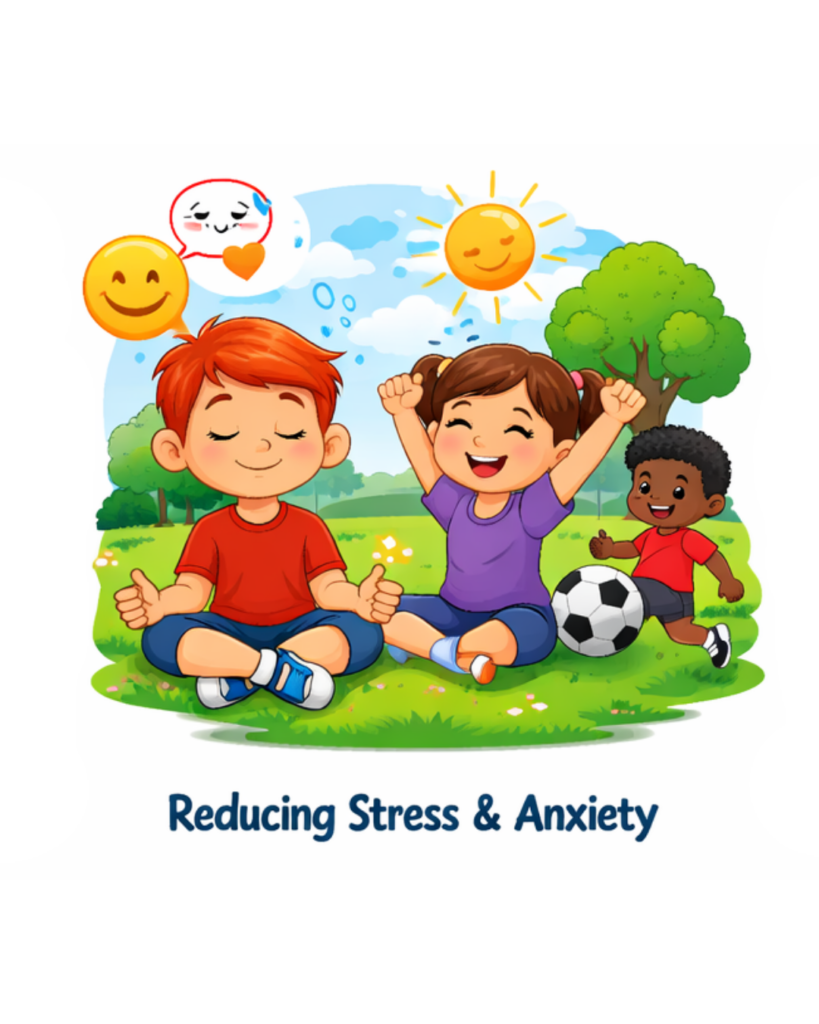
Research by Biddle and Asare (2011) found that children and adolescents who engage in regular exercise experience lower levels of anxiety and improved psychological wellbeing.
Activities such as:
allow children to release excess energy and tension in a healthy way. Physical activity can also improve sleep quality, which plays a vital role in maintaining good mental health and emotional balance.
By helping children regulate their mood and manage stress, exercise supports a positive learning environment and allows students to participate more fully in classroom activities.
In addition to cognitive and mental health benefits, exercise also helps children develop important emotional and social skills.
Emotional regulation is the ability to recognise, understand, and manage emotions effectively. This is a key developmental skill during childhood and plays an important role in children’s ability to form relationships and navigate social situations.
Many physical activities in schools involve teamwork, cooperation, and communication. Through sports, playground activities, and group exercises, children learn valuable social skills such as:
These experiences help children build friendships and develop a sense of belonging within their school community.
Research by Lubans (2016) shows that school-based physical activity programmes can improve children’s self-esteem, confidence, and emotional resilience. When children learn new physical skills or achieve personal goals through exercise, they experience a sense of accomplishment that boosts motivation and self-belief.
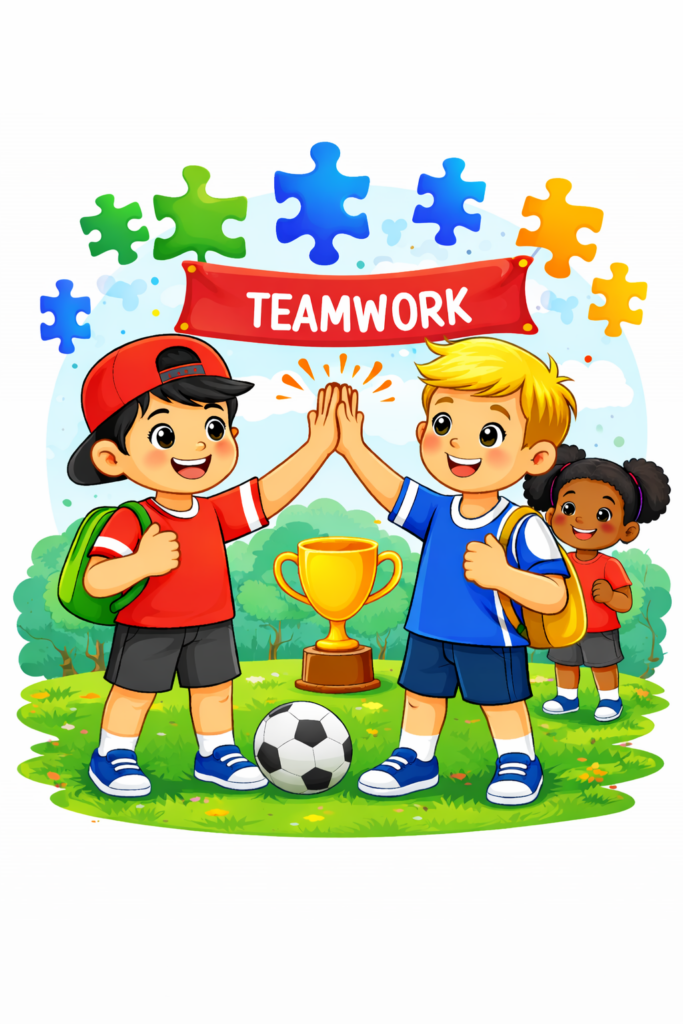
Exercise can also act as a healthy outlet for strong emotions such as excitement, frustration, or anger. Physical activity provides children with a constructive way to release energy and manage their feelings, helping them develop stronger coping skills over time.
Because the brain develops so rapidly during the primary school years, creating opportunities for movement throughout the school day is extremely important.
Schools can support students by incorporating:
Encouraging physical activity not only supports children’s physical health but also strengthens learning, emotional wellbeing, and social development.
Programmes that promote active learning and school fitness can help ensure that students remain engaged, confident, and ready to learn.
Exercise plays a vital role in supporting the cognitive, emotional, and social development of primary school children. Regular physical activity strengthens the brain by improving memory, attention, and problem-solving skills while also helping children manage stress and build emotional resilience.
Movement also encourages teamwork, confidence, and positive relationships with peers, all of which contribute to a healthy and supportive school environment.
By integrating regular exercise into daily routines, schools can help children develop stronger minds, healthier bodies, and the skills they need to succeed both in the classroom and in life. Promoting physical activity in schools is therefore one of the most effective ways to support the wellbeing and academic success of the next generation.
References:
Biddle, S.J.H. and Asare, M., 2011. Physical activity and mental health in children and adolescents: a review of reviews. British Journal of Sports Medicine, 45(11), pp.886–895.
Hillman, C.H., Erickson, K.I. and Kramer, A.F., 2008. Be smart, exercise your heart: exercise effects on brain and cognition. Nature Reviews Neuroscience, 9(1), pp.58–65.
Lubans, D.R., Richards, J., Hillman, C.H., Faulkner, G., Beauchamp, M.R., Nilsson, M., Kelly, P., Smith, J., Raine, L.B. and Biddle, S.J.H., 2016. Physical activity for cognitive and mental health in youth: a systematic review of mechanisms. Preventive Medicine, 76, pp.1–8.
By Eoin Keane
As parents and educators, we all want children to grow up healthy, confident, and active. Yet in modern Ireland, this is becoming increasingly challenging. Screen time is rising, outdoor play is declining, and many children are not meeting basic physical activity guidelines.
A 2023 report by the University of Limerick for Sport Ireland, Sport Northern Ireland, and Healthy Ireland found that only 15% of Irish children achieve the recommended 60 minutes of daily moderate-to-vigorous physical activity (CSPPA, 2022). At the same time, the HSE’s Childhood Obesity Surveillance Initiative (COSI) revealed that 17.7% of Irish children are overweight or obese (HSE, 2024).
So how can families and schools support healthier habits that last beyond childhood?
A growing body of research points to a simple but powerful solution: multisport participation. Encouraging children to play more than one sport supports not only physical fitness, but also mental wellbeing, social development, and lifelong engagement in physical activity.
Multisport participation refers to children engaging in a variety of sports and physical activities, rather than specialising in one sport year-round at an early age. This approach aligns strongly with best practice recommendations from international health and sports medicine organisations.
Instead of focusing on performance or early talent identification, multisport participation prioritises:
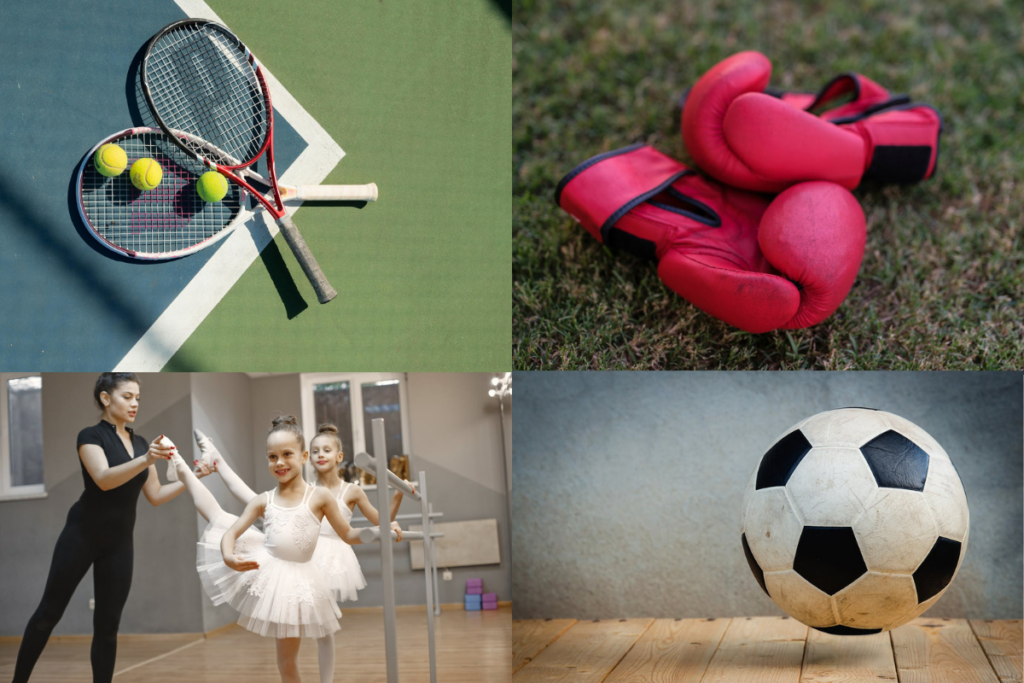
Children who participate in multiple sports develop more well-rounded physical fitness than those who specialise early in a single activity. Different sports challenge different muscle groups, movement patterns, and energy systems, helping children become stronger, more coordinated, and more resilient.
Research by Linker et al. (2022) found that multisport participation is associated with:
Compared with single-sport participants or inactive peers, multisport children demonstrate superior overall physical fitness and movement competence. This variety also reduces repetitive loading on the same joints and tissues, supporting healthier physical development.
Early sport specialisation — where children train in one sport year-round while excluding others — has become increasingly common. However, evidence consistently shows that this approach carries significant risks.
A comprehensive review by Jayanthi et al. found that early specialisation is linked to higher rates of overuse injuries, particularly in the lower limbs. These injuries include muscle strains, stress fractures, and ligament damage, often requiring prolonged rest or medical intervention (Jayanthi et al., 2019).
Leading organisations such as the:
all strongly discourage early sport specialisation. Instead, they recommend delaying single-sport focus until late adolescence, allowing children’s bodies and movement skills to mature naturally.
Additional recommendations include:
The risk of overuse injury increases when weekly training hours exceed a child’s age or when children specialise early in individual sports such as gymnastics or tennis.
The benefits of multisport participation extend far beyond physical health. Children’s mental wellbeing and social development are equally important — and strongly influenced by how they experience sport.
Research indicates that early sport specialisation is associated with:
According to Raedeke’s burnout framework, burnout is characterised by emotional exhaustion, a reduced sense of accomplishment, and a loss of enjoyment in sport (Raedeke, 1997). Year-round, high-pressure training environments can accelerate these outcomes.
In contrast, children who play multiple sports:
A systematic review by Brenner et al. (2019) also links early specialisation with increased anxiety, sleep disturbances, and diminished intrinsic motivation, reinforcing the importance of variety and balance during childhood.
Contrary to popular belief, multisport participation does not hinder long-term athletic success — it may actually enhance it.
A systematic review by McLellan et al. (2022), examining 29 studies of elite, professional, and Olympic athletes, found that late specialisation was associated with:
Notably:
Güllich’s research further supports these findings, showing that athletes who sampled multiple sports in childhood were more likely to reach elite levels later in life (Güllich et al., 2018).
Beyond sport, Kohl (2017) found that high school multisport athletes achieved higher GPAs than single-sport peers, suggesting that exposure to diverse physical and cognitive challenges may also support academic success.
While the benefits are clear, access to multisport opportunities is not equal for all children. Socioeconomic factors play a significant role in determining who can participate.
Research by Kearney et al. (2023) found that:
Conversely, single-sport participation was more common among lower-income children (45.8%), often due to financial, transport, or time constraints rather than personal choice.
These findings highlight the crucial role of schools and community-based programmes in providing inclusive, low-cost opportunities for varied physical activity.
Encouraging multisport participation is not about creating elite athletes — it’s about supporting healthy, happy, and physically literate children.
Practical steps include:
School environments, in particular, play a vital role in ensuring that every child, regardless of background or ability, has access to varied and meaningful physical activity experiences.
The evidence is clear: children who engage in multiple sports develop stronger bodies, healthier minds, and a greater likelihood of staying active throughout life. Multisport participation fosters resilience, confidence, and a positive relationship with movement that extends far beyond childhood.
For parents and schools alike, supporting variety in sport and physical activity may be one of the most impactful decisions we can make for children’s long-term wellbeing.
References:
Brenner, J.S. et al. (2019) 'The Psychosocial Implications of Sport Specialization in Pediatric Athletes in the United States: Replacing “Just Do It” with “More Is Better"', Current Sports Medicine Reports, 18(4), pp. 122-129. doi: 10.1249/JSR.0000000000000584.
Children's Sport Participation and Physical Activity Study (CSPPA) (2022) Full report. University of Limerick, Dublin City University, University College Cork and Ulster University. Available at: https://www.sportireland.ie/sites/default/files/media/document/2023-08/CSPPA%202022%20Full%20Report.pdf
Güllich, A., Macnamara, B.N. and Hambrick, D.Z. (2018) 'What Makes a Champion? Early Multidisciplinary Practice, Not Early Specialization, Predicts World-Class Performance', Perspectives on Psychological Science, 13(6), pp. 701-714. doi: 10.1177/1745691618772709.
Health Service Executive (HSE) (2024) The Childhood Obesity Surveillance Initiative (COSI) in the Republic of Ireland – Findings from 2022 and 2023. Dublin: HSE.
Jayanthi, N.A. et al. (2019) 'Health Consequences of Youth Sport Specialization', Journal of Athletics Training, 54(10), pp. 1072-1079. doi: 10.4085/1062-6050-564-18.
Kearney, P.E. et al. (2023) 'Higher Family Affluence is Associated With Multi-Sport Participation Among Irish Youth', Perceptual and Motor Skills, 130(5), pp. 1869-1888. doi: 10.1177/00315125231199400.
Kohl, C.J. (2017) The Academic and Behavioral Impact of Multiple Sport Participation on High School Athletes. EdD thesis. Lindenwood University. Available at:
https://digitalcommons.lindenwood.edu/cgi/viewcontent.cgi?article=1206&context=dissertations
Linker, J.M. et al. (2022) 'Single and Especially Multisport Participation May Increase Physical Fitness in Youth', Journal of School Health, 93(5), pp. 431-439. doi: 10.1111/josh.13265.
McLellan, M. et al. (2022) 'Youth Sports Specialization and Its Effect on Professional Performance: A Systematic Review', Orthopaedic Journal of Sports Medicine, 10(11). doi: 10.1177/23259671221129594.
Raedeke, T. D. (1997). Is athlete burnout more than just stress? A sport commitment perspective. Journal of Sport & Exercise Psychology, 19(4), 396–417.
By Shauna Mahon
A new year brings fresh energy, new goals and the perfect opportunity to introduce fun, healthy habits in your classroom. Adding simple classroom fitness challenges, movement breaks and team-based activities can help improve student focus, behaviour and wellbeing. Plus they’re incredibly easy to implement!
This guide shares creative, engaging and practical active classroom ideas you can use to get your students moving more this term. From daily circuits to hydration and nutrition challenges, these activities can help you build a positive, active learning environment in just a few minutes each day.
Small habits spark big changes. Starting each school day with a short 5-minute movement routine helps children feel accomplished, energised and ready to learn.
Try this simple classroom circuit:
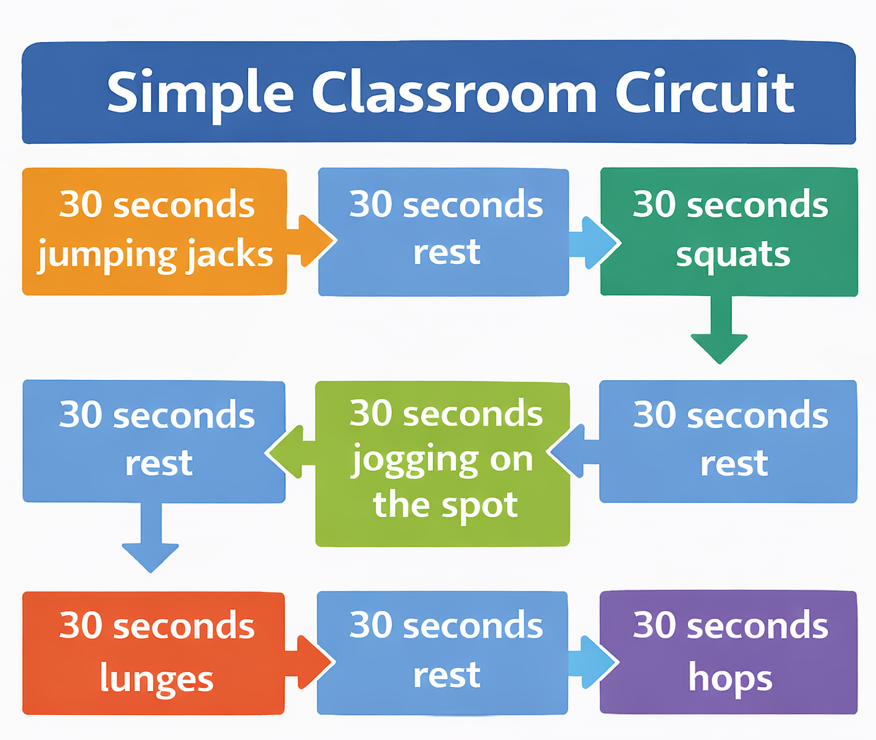
This routine requires no equipment, very little space, and can become a fun daily ritual. Make it student-led:
Let a different child design or lead the 5-minute circuit each week. This builds confidence, encourages creativity, and keeps the routine exciting.
A classroom step challenge is a brilliant way to get kids moving throughout the day. Create a chart to track each child’s steps and reward the most improved, not just the highest step count. This keeps the challenge fair and motivating for everyone.
You can also set a combined classroom target. If the class reaches their weekly step goal, reward them with:
● Extra yard time
● A short active day
● A class movement break of their choice
This builds teamwork, encouragement and a shared sense of achievement.

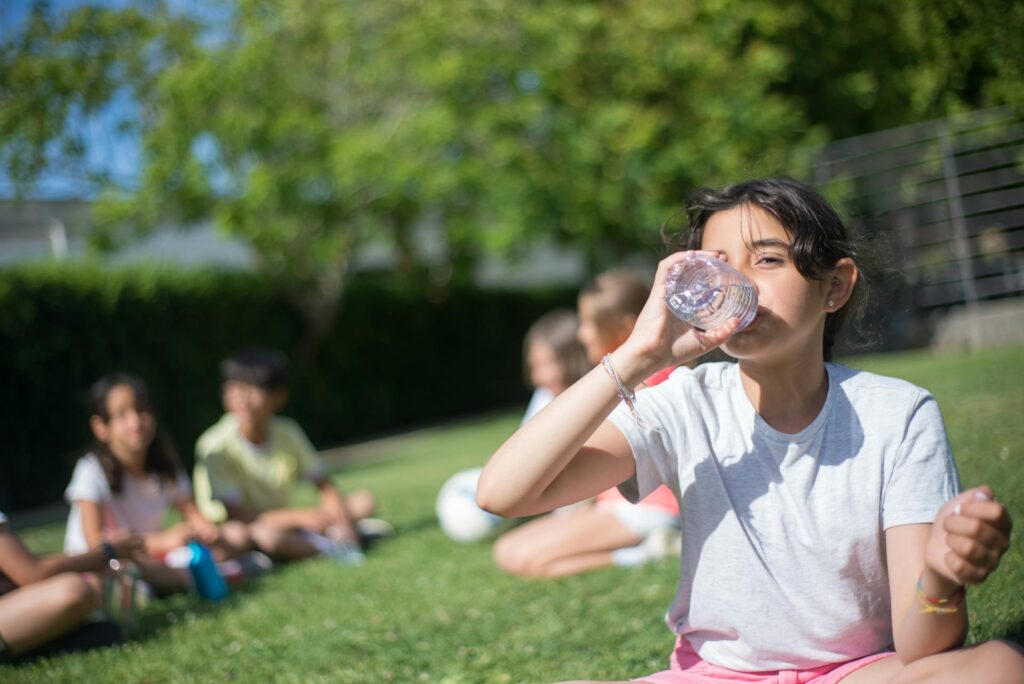
Healthy habits go beyond movement. A hydration challenge helps children learn the importance of drinking water throughout the day.
Benefits of a hydration challenge:
● Encourages students to replace sugary drinks with water
● Reduces single-use plastic by using reusable bottles
● Opens discussion about the role of hydration in sport, concentration and energy
To build excitement, let students:
● Track their own daily water intake
● Create posters promoting hydration
● Calculate how many plastic bottles they’ve saved
This is an easy, eco-friendly challenge that reinforces lifelong habits.
A calmer alternative to high-energy circuits is a daily stretching or flexibility routine. Just five minutes of stretching between lessons can increase focus, reduce restlessness and promote good posture during long periods of sitting.
Ideas to keep it engaging:
● Let a different student lead the stretching each day
● Rotate between static stretching, dynamic stretching, and mobility work
● Track student progress with a weekly sit-and-reach or toe-touch chart
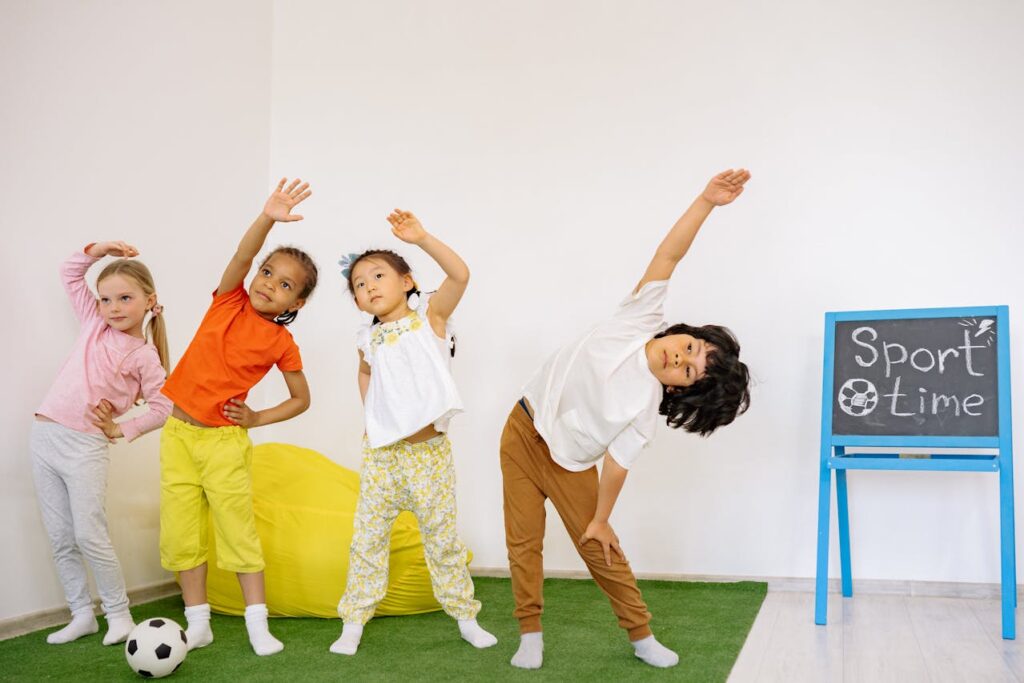
Children love seeing measurable improvement — it makes mobility training fun and motivating.
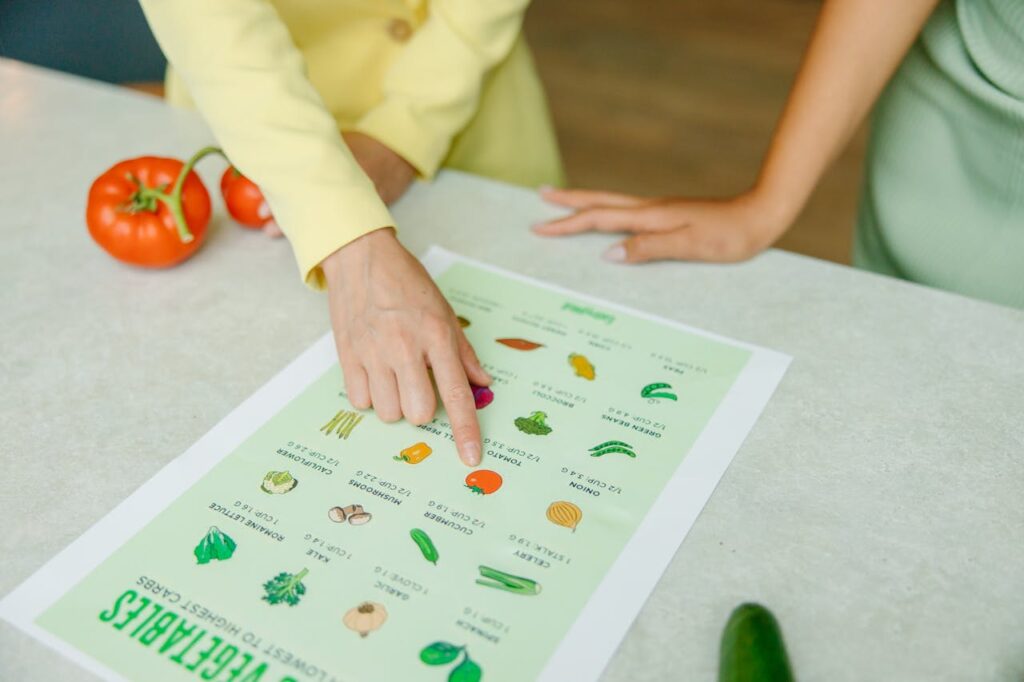
Encourage healthier eating with a fun school lunch nutrition challenge. Ask students to swap one less-healthy snack for a nutritious alternative, such as:
● Fruit instead of a chocolate bar
● Natural yogurt instead of sugary yogurt
● Wholegrain snacks instead of processed treats
Track progress and award:
● Healthiest lunch of the week
● Most improved lunch
● Best healthy lunch idea
For an added activity, have students create their dream healthy lunch and a shopping list to go with it.
Turn movement into a game with a classroom fitness bingo challenge.
Fill bingo squares with activities such as:
● Complete a 10-minute circuit
● Play a team sport
● Do 20 minutes of outdoor cardio
● Lead a class stretch
● Drink your full water bottle
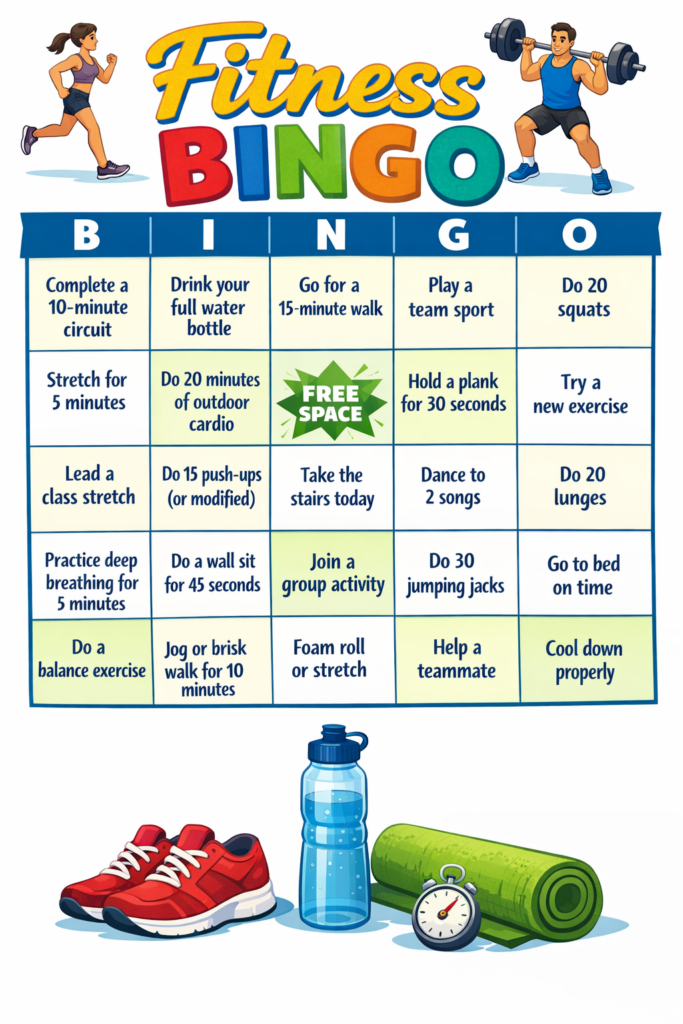
Once a child completes a line — or a full card — reward the class with an active day, team-building session or outdoor adventure. Making fitness feel like a game is especially effective for children who don’t typically enjoy traditional sports.
Weekly themed challenges keep movement fun and varied:
Week 1: Cardio Week
Activities may include walking laps, sprinting between cones, shadow boxing, or skipping with a rope.
Week 2: Strength Week
Try a 10-minute strength circuit:
40 seconds of work, 20 seconds of rest — squats, lunges, push-ups, glute bridges, etc.
Week 3: Sports Week
Introduce new sports such as football, basketball, Gaelic football, tennis or any fun team activity.
Week 4: Mind & Body Week
Focus on yoga, Pilates or mobility training to teach children how their bodies move and how stretching helps prevent injuries.
Week 5: Dance & Outdoors Week
Finish the month with Zumba-style dancing, a classroom dance party or an outdoor nature walk (find the tallest tree or the most colourful leaf).
At the end of each week, have students create their own plan and demonstrate it to the class — an excellent confidence-builder.
Introducing new routines at the start of the year can help:
● Build new friendships through teamwork
● Improve focus and classroom behaviour
● Teach discipline and consistency
● Encourage healthy habits children can use at home
● Support physical literacy, injury prevention and overall wellbeing
Even five minutes of movement or stretching can positively shape a child’s day — and their long-term relationship with fitness.
Want to make active learning even easier?
School Fitness Ireland delivers fun, engaging and educational fitness workshops in schools nationwide.
From Active Days to team-building challenges, we bring high-energy activities that get every child involved — including those who don’t usually engage in sport.
Book your school’s Active Day or enquire about programmes at School Fitness Ireland
Summer holidays are here! While kids are thrilled with the break from school, the change in routine can often lead to a big drop in how much they move. Without their usual PE lessons, yard time, or after-school sports, many children end up spending more time sitting still than running around.
And research backs this up. A recent study from the University of Western Ontario found that children’s physical activity can drop by over 50% during school breaks1. That’s a big worry, considering the HSE recommends at least 60 minutes of physical activity a day for children2. That daily dose of movement helps support everything from bone strength and muscle development to better moods and deeper sleep3.
The good news? Summer is the perfect time to get kids moving more. With longer, brighter days and (hopefully!) better weather, it’s easier than ever to get outside and stay active. Whether it’s in the garden, at the park, or on the beach, there are so many simple, fun games you can play to help your child hit that 60-minute goal.
Here are 6 easy outdoor games for kids that require little to no equipment and are sure to get your kids off the couch and into action.
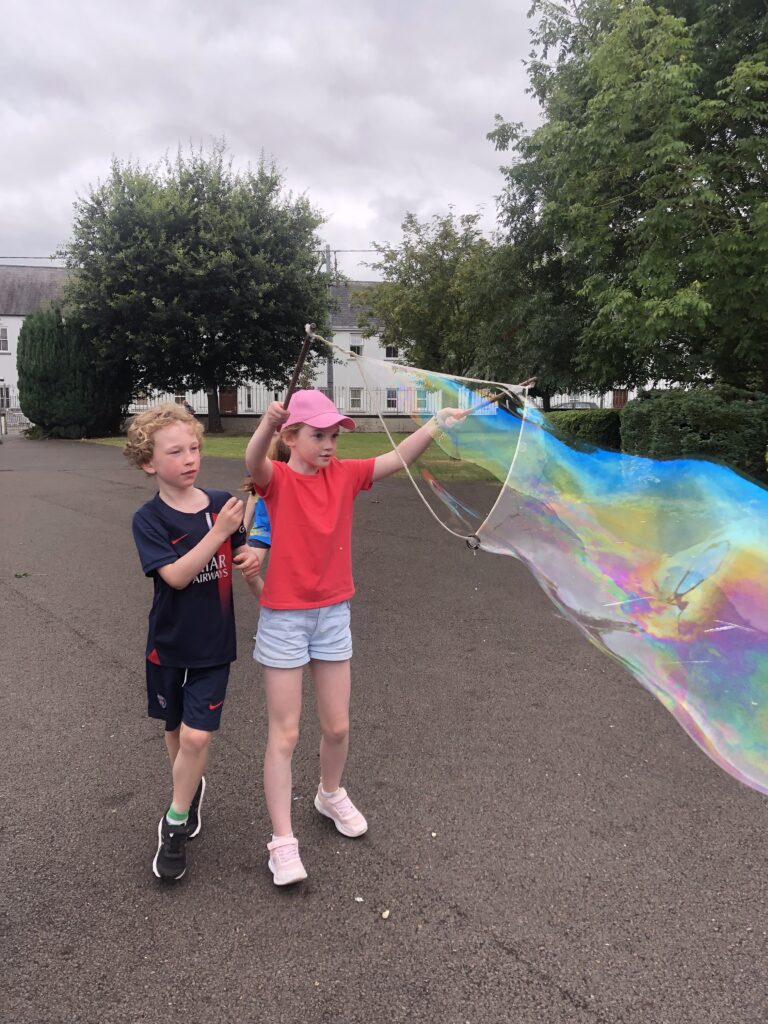
Just like regular tag, but with a twist. The person who’s "it" must tag another player’s shadow with their foot. It adds a funny challenge as shadows stretch and shift throughout the day. It’s a non-contact, silly, and super active way to keep kids moving without even noticing.
Top Tip: Try playing during late afternoon when shadows are longer and easier to catch!
Give your child a list of items to search for outside, like something round, something colourful, a stick shaped like a Y, or something that smells nice. You could even have your child put their art skills to the test and design their own checklist to tick off throughout the scavenger hunt. This fun activity encourages walking, bending, climbing, exploring, and builds strong observation skills.
Top Tip: Use a camera or phone for a photo scavenger hunt version
Set a start and finish line. Each race must be completed moving like a chosen animal - think bunny hops, crab walks, or frog jumps. This is a great way to work different muscle groups and children always love getting creative with their own animal moves.
Top Tip: As well as racing, you could also turn this into a fun guessing game where you have to guess what animal everyone is.
This absolute classic is bound to get everyone up and moving! Play some music and let everyone dance around. When the music stops, they freeze and can’t move until the music starts again. If you’re only playing with a small group, instead of knocking people out, you can have them do forfeits instead like do 10 star jumps or hold a 15 second plank. You can also do lots of different versions of this game like musical chairs or musical bums to change things up!
Top Tip: Have kids create their own playlist with their favourite songs to keep them engaged.
Set up targets on the ground using buckets or drawing chalk circles. Kids throw beanbags, rolled up socks or small balls to try and hit the target. This game helps build aim, hand-eye coordination and concentration.
Top Tip: Turn it into a family tournament by setting up different “levels” of difficulty and moving the targets farther away. You could even get kids to compete against adults for bonus points!
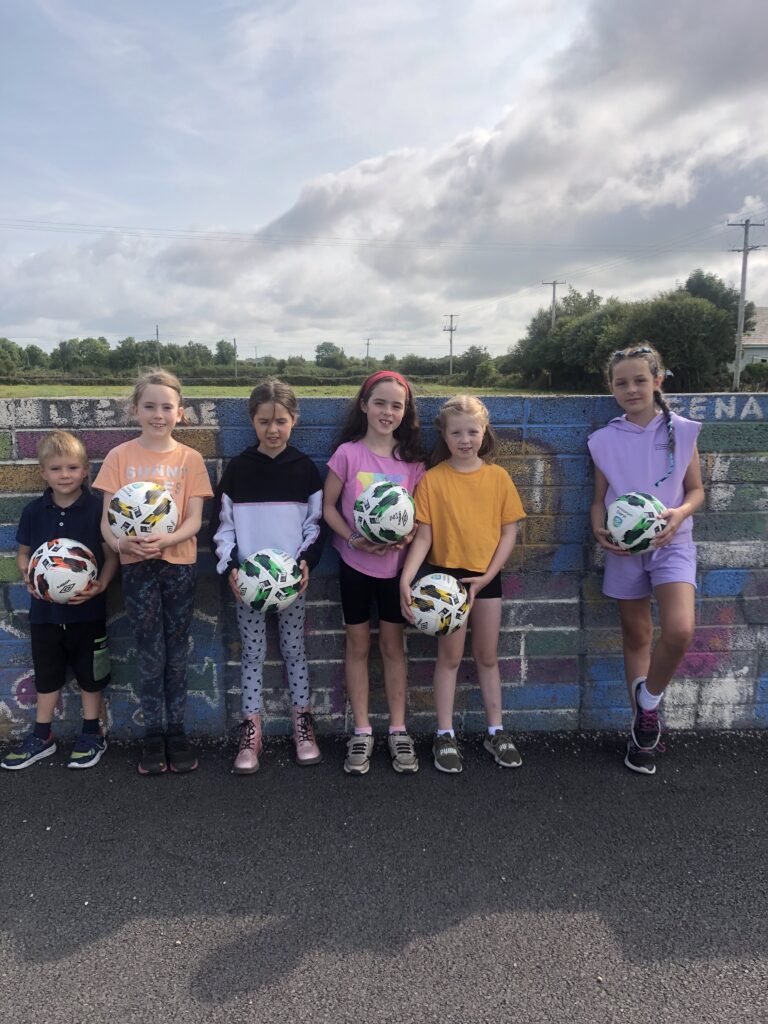
Create a short course and find something to use as your baton like a small toy or a stick. Kids can race each other or the clock by running, skipping, or hopping their way through the course. This is great for not only helping build up endurance, but it also help kids understand team play and learn self-motivation.
Top Tip: Add silly challenges between stations, like singing a song or balancing a book on your head.
When school ends, so does a lot of children’s built in movement. That means it’s up to parents and caregivers to create new ways for children to be active every day.
Regular movement improves:
And best of all? When movement is fun, kids don’t even realise they’re exercising. Whether it’s a five minute game in the morning or a full afternoon of relay races, every bit of activity counts toward that all important 60 minutes.
The long summer stretch is a perfect opportunity to help children build lifelong movement habits. With these six easy, outdoor games, you can make physical activity simple, screen free and full of fun. They don’t require expensive equipment or fancy plans, just a little time, a safe space and a willingness to play.
Want even more ways to get your kids moving? Check out our YouTube channel for free, at home activity videos created by our expert coaches, or book into one of our Summer Camps for a week packed with fun, fitness, and friendships.
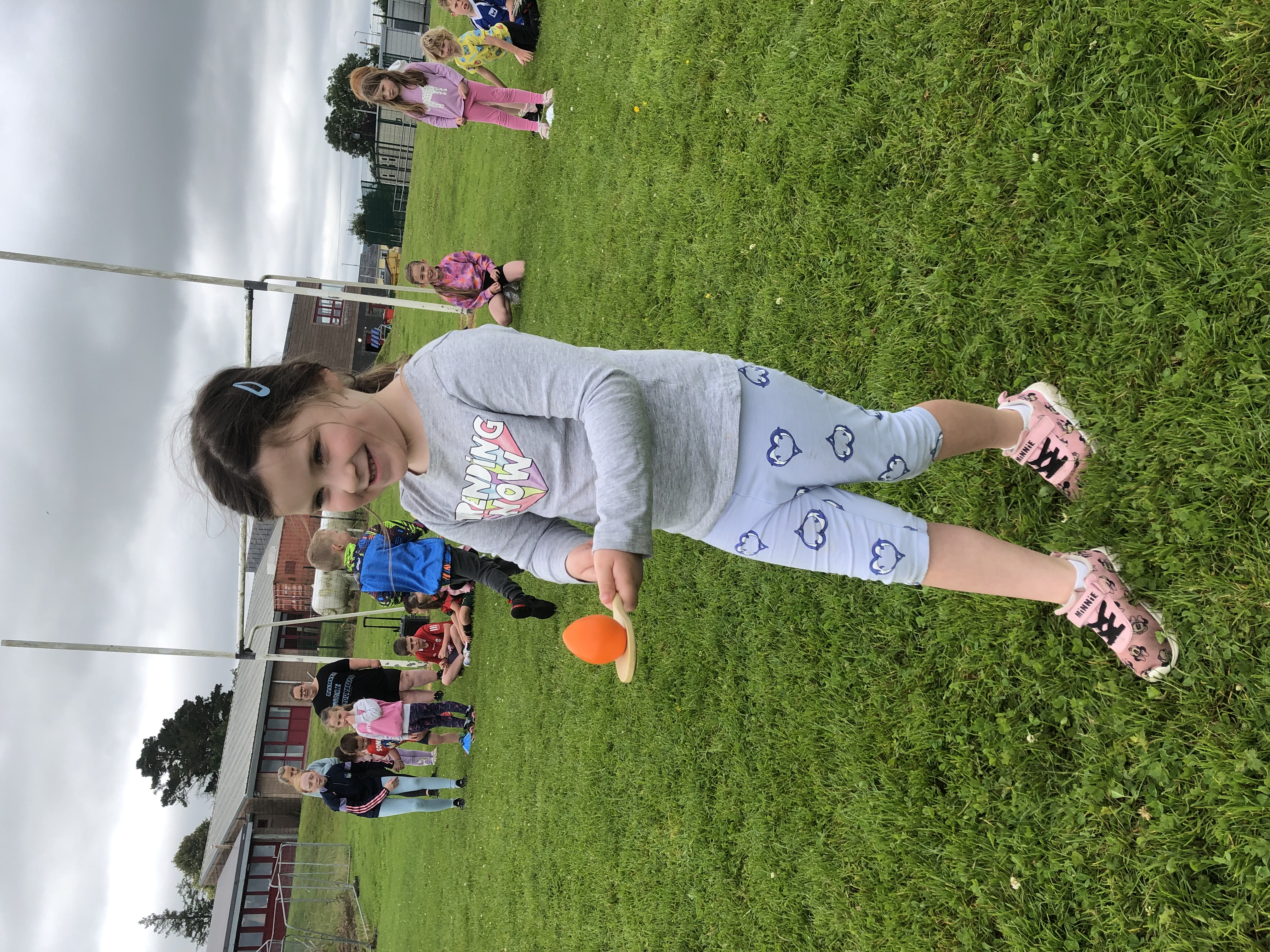
For many children, sports day is a highlight of the school year; a chance to move, play, and cheer each other on in the fresh air. But traditional races like sack races, egg and spoon races and three-legged races can start to feel a bit tired, and not every child thrives in that format. So how do we keep sports day inclusive, exciting, and packed with purpose?
At School Fitness Ireland, we believe in rethinking how we do physical activity. Sports day doesn’t have to be a rigid schedule of who’s fastest or strongest. It can be creative, team-based, and designed so everyone feels part of the action.
In this post, we’re sharing five fresh sports day ideas for primary schools that go beyond the basics, with games and challenges designed to spark engagement, promote teamwork, and develop physical literacy in fun and accessible ways.
Before we dive into the activity ideas, let’s pause for a moment on why sports day is more than just a fun event.
According to the World Health Organisation, children aged 5–17 should engage in at least 60 minutes of moderate-to-vigorous physical activity daily to support healthy growth and development.1 (Check out our post on the Physical Activity Guidelines for children here!). While regular PE plays a key role in this, sports day offers a unique, high energy opportunity to meet these guidelines in a way that feels like play, not work.
Sports Days also support:
Ultimate frisbee is a non-contact team sport where players pass a frisbee downfield to teammates, aiming to catch it in the opposing team’s end zone to score a point. Players cannot run while holding the disc; they must stop and pass it. If the disc is dropped, intercepted, or goes out of bounds, possession switches to the other team. The game encourages constant movement, teamwork and fair play.
In a standard game of ultimate frisbee, each team typically has 7 players on the field. For school settings or smaller spaces, 5-a-side or smaller teams work well.
Why it works: It’s fast paced, easy to learn, and great for building teamwork. Since players can't move while holding the disc, it encourages passing and communication rather than solo efforts.
Adapt it for primary students: Reduce the pitch size and allow a few extra steps for younger players. If players are struggling with the frisbee, use a soft ball until they get used to the rules!
Bonus learning: Ultimate frisbee is self-refereed at competitive levels, teaching fairness, honesty, and respectful communication in a fun, low pressure environment.
Who says races have to be straight lines and finish flags? An obstacle course adds variety, fun, and a dose of problem solving into the mix.
Set up a series of challenges that students must complete in sequence. For example:
Run it as a timed relay, a class-vs-class challenge, or a continuous course.
Why it works: Obstacle courses are highly adaptable and keep all children engaged, whether they’re fast runners or careful climbers. They challenge multiple movement skills (balance, coordination, agility) and encourage creative thinking.
Top tip: Add silly elements like a hat they must wear or a beanbag to carry on their head for extra fun and laughter! Alternatively, you could have classes design their own obstacle courses.
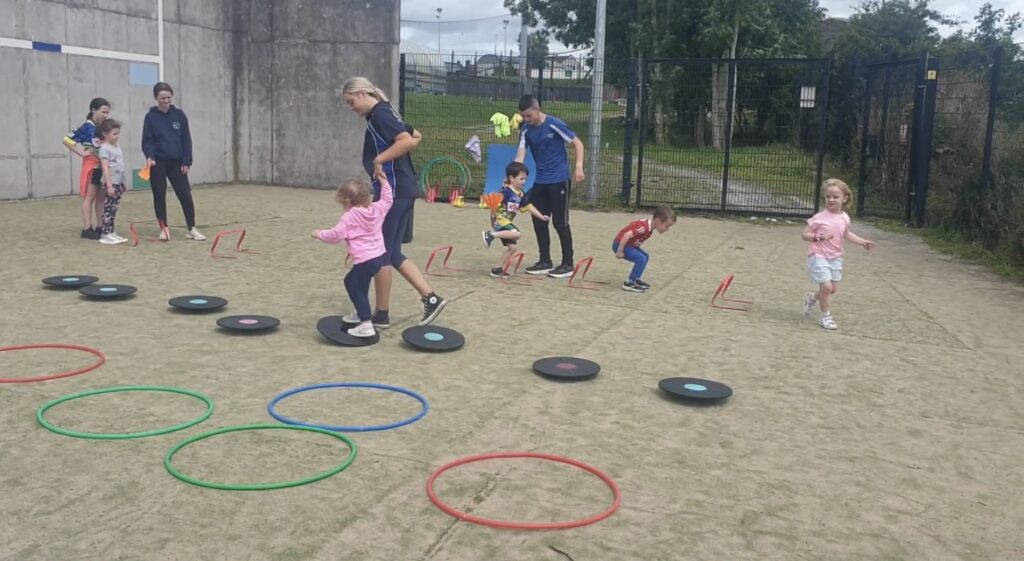
Capture the Flag is a fast-paced team game that combines movement, strategy, and excitement, and it's a brilliant way to wrap up sports day.
How it works:
To keep it low contact and inclusive:
Why it works: It’s thrilling, strategic, and promotes teamwork, decision-making, and spatial awareness. Every child has a role to play, whether they’re defending, sneaking, or rescuing teammates.
Top tip: Play multiple short rounds with team rotations to keep the pace high and ensure everyone gets a turn in different roles.
Transform your sports day into a themed adventure with physical activity challenges built around a story. For example:
Why it works: It engages imagination alongside movement, making it especially appealing to younger children or those who might not enjoy traditional sports.
Top tip: Encourage classes to dress in theme or make their own team mascots or badges.
Bonus: Pair students in buddy groups to build friendships and confidence.
Not every child thrives on races or competitive games, and that’s where these team-based challenges shine. These stations focus on teamwork, problem solving, and inclusive fun.
Set up a circuit of tasks where small groups rotate through challenges like:
Why it works: Team stations give every child the chance to contribute, no matter their athletic ability. They encourage collaboration, leadership, and creativity in a relaxed, joyful setting.
Top tip: Rotate teams every 5–8 minutes and keep instructions simple. Give teams fun names or scorecards for extra motivation, or just focus on the fun!

By moving away from traditional, individual-focused races and towards more engaging, varied activities, we create a sports day that celebrates all children, not just the fastest and strongest.
Whether it’s through an imaginative fitness challenge or a strategic frisbee game, these activities promote:
At School Fitness Ireland, we deliver high energy, age appropriate multi-activity days in schools across the country, making sports day easy, exciting and memorable.
Our expert coaches can lead sessions in:
All activities are tailored to your school's space, needs, and age groups, and designed to keep children active, engaged, and smiling.
Contact us today to book your end of term multi-activity day and let’s make sports day the best day of the year!
Active School Week is here, and what better time to get your class up and moving? We all know how important it is to get kids active throughout the day, but let’s be honest, between busy schedules, packed lessons and rainy weather, it’s not always easy to make time for it. That’s where movement breaks come in!
Movement breaks (also known as “energisers” or classroom brain breaks) are short bursts of physical activity that you can squeeze into the school day without needing any equipment or even leaving the classroom. They’re quick, they’re fun, and most importantly, they work. These little activity breaks help improve concentration, boost mood, and cut down on long periods of sitting, which studies show take up about 50–70% of a typical school day.
Before we jump into the fun stuff, it’s worth remembering why all this movement matters. The current physical activity guidelines for children and young people recommend that kids get an average of at least 60 minutes of moderate to vigorous activity every day throughout the week. That can sound like a lot at first, but it adds up quickly with things like PE, active play, sports, and yes, classroom movement breaks!
These guidelines also highlight the importance of breaking up long periods of sitting. So those little bursts of activity sprinkled throughout the school day aren’t just fun, they’re actually super important for kids’ health and focus. (Want to learn more about the guidelines? We’ve broken it down in a handy blog post. Check it out here.)
So whether you're already planning fun events for Active School Week or just want to sneak in a little more classroom based physical activity during lessons, here are 10 of our favourite teacher-approved, classroom-friendly ideas to help your students stretch, shake and smile their way through the day.
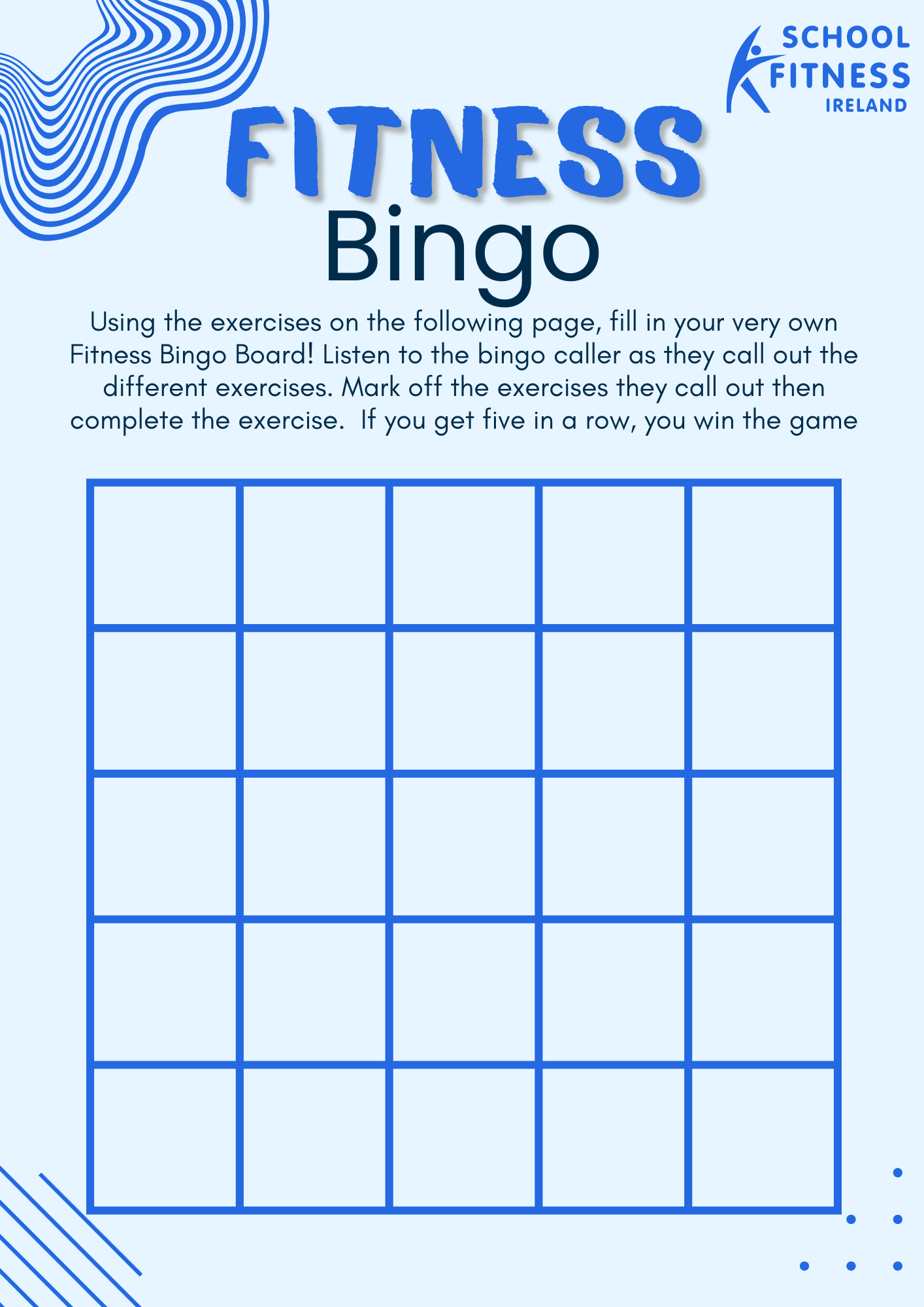
Everyone loves a bit of bingo, and this version adds a fun fitness twist! Each child gets their own bingo card filled with different exercises like 10 jumping jacks, 5 squats, or toe touches. Call out an exercise at random and when students hear one that’s on their card, they have to stand up, do the move, and mark it off. First one to complete a row shouts “Bingo!” and wins.
It’s a great way to mix movement with memory and a bit of friendly competition. Perfect for Active School Week!
Top tip: You can download our ready made fitness bingo cards here to save time!
This one is a fun twist on the classic memory game, perfect for a small group or a full class circle. Start by saying, “I packed my bag and did 5 jumping jacks.” The next person repeats that and adds a new movement: “I packed my bag and did 5 jumping jacks and 1 squat.” And so on.
Not only does this game get everyone moving, but it also works on memory and listening skills. Plus, it can get pretty silly, which is always a win in our book!
An easy classroom energiser and total energy booster. Start by shaking each arm and leg eight times, then four times, then two, then one. Get faster and sillier with each round. It’s fast, it’s fun, and it gets everyone laughing while waking up tired muscles.
This one is great for lesson transitions or when the class is losing focus.
This one is as fun as it sounds. Call out different animals and have students move like them. Hop like a frog, stretch like a cat, crawl like a bear, or scuttle like a crab. You can keep each movement going for 30 seconds before switching to the next one. They can perform these movements on the spot at their desk, or if there’s space they can carefully move around the classroom!
It’s creative, playful, and helps kids use a whole range of muscles. A great addition to your Active School Week movement ideas.
Pair students up and have one lead while the other mirrors their movements. They can do slow stretches, silly dances, or energetic moves like jumping or lunges. After 30 seconds, switch roles.
This builds concentration, teamwork, and body awareness. Plus, it's a great way for quieter students to take the lead.
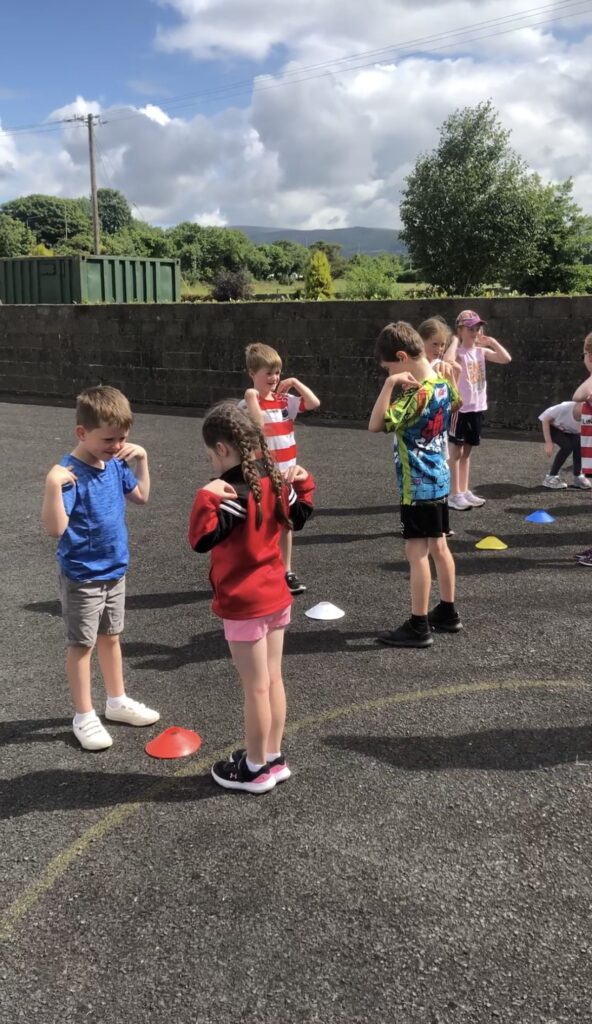
A simple and effective way to add fun and physical activity to the classroom. Play some music and let kids move around, dance, or even march in place. When the music stops, they freeze! You can add a theme to the freeze too: “freeze like a superhero,” “freeze like a ballerina,” or even “freeze like a robot”.
Ideal for transitions or brain breaks between lessons.
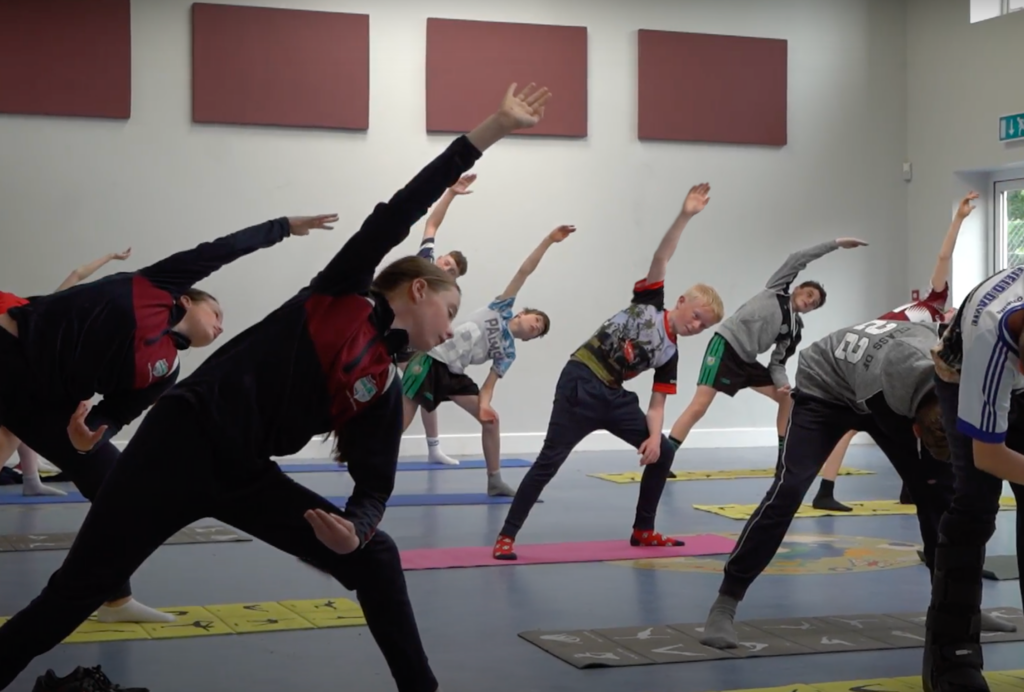
This gentle classroom movement break is perfect for a slower paced moment in the day. Have students stretch their arms up and reach from side to side, like they’re painting a rainbow in the sky. Big arcs, deep breaths, hold and stretch.
This one doubles as a calming strategy while still getting bodies moving. A great post-lunch or pre-home time activity.
Call out different colours with matching actions:
You can mix it up and speed up the colour changes for added challenge! This one gets hearts pumping and minds focused, making it a great brain break to refocus students.
Call out emotions and let the class act them out using movement. For example:
This is a fun way to explore emotional expression while getting in some sneaky physical activity. Great for SPHE lessons or when your class needs to let off a little steam.
Assign an exercise to each number on a dice. For example:
Roll the dice and the whole class does the activity together. Want to make it more interactive? Let students roll the dice themselves!
Getting active during school hours doesn’t have to mean huge changes or big time commitments. Movement breaks are a quick and easy way to bring more physical activity into your classroom and they don’t require equipment, prep, or even leaving the room.
During Active School Week, it’s the perfect time to try out a few of these teacher approved classroom movement ideas and see what works best for your class. Who knows, your students might even ask for them again and again!
Want to get involved? Tag us in your Active School Week fun and show us your favourite classroom energisers in action. Happy moving!
Looking for even more ways to keep your class moving during Active School Week and beyond? We're uploading a new activity video everyday on our YouTube channel! Each one is quick, fun and designed for kids to follow right at their desks, no equipment or extra space needed. It's a great way to add a little extra movement to your day without any extra prep. Click here to check out our YouTube channel and follow along.
By Sam Wheeldon
It’s no secret that kids today are moving less than they used to, something that’s causing real concern when it comes to their overall motor development (Coach Laura dives into this in her latest article!). According to the Active Start guidelines from the National Association for Sport and Physical Education (NASPE), helping young children develop movement skills should be a key focus in early education (Goodway et al., 2009).
Fundamental Movement Skills (FMS) are the building blocks for confident, capable, and motivated movers. But the reality is, many kids in primary school right through to secondary school, aren’t mastering these skills as they should. Without a solid foundation in movement, it’s harder for them to pick up more complex skills, enjoy sports, and even develop socially and cognitively (V. Gregory Payne & Isaacs, 1987). Simply put, if we want kids to stay active for life, we need to make sure they’re getting the right start!
Kids naturally develop their FMS by playing different sports and being active. In fact, many experts, including sports leaders and paediatricians recommend that children try multiple sports until at least early adolescence rather than specialising too soon. This helps them build skills across all three key FMS categories.
But in Ireland, there’s a strong focus on sports that involve object control skills, especially for kids. The Children’s Sport Participation and Physical Activity (CSPPA) study in 2022 found that four out of the five most popular sports for primary school boys were ball sports. Girls took part in a slightly wider variety of activities, but overall, there’s still a big emphasis on ball games (CSPPA Report, 2022). (Check out Tables 1.1 & 1.2 below for the breakdown!).
| Boys’ Sports Participation Rates | |||
| Primary | Secondary | ||
| Sport | % | Sport | % |
| Soccer | 56 | Soccer | 41 |
| Gaelic Football | 47 | Gaelic Football | 38 |
| Hurling | 37 | Hurling | 26 |
| Swimming | 36 | Swimming | 26 |
| Rugby | 25 | Weight Training | 25 |
| Girls’ Sports Participation Rates | |||
| Primary | Secondary | ||
| Sport | % | Sport | % |
| Swimming | 45 | Swimming | 34 |
| Gaelic Football | 43 | Gaelic Football | 33 |
| Camogie | 40 | Dance | 25 |
| Dance | 32 | Camogie | 22 |
| Athletics | 29 | Cycling | 20 |
While ball sports help kids develop important motor skills, they don’t cover all the FMS kids need. Even children who excel in one area of movement may still struggle with others. Plus, not every child is drawn to mainstream sports, so it’s important to offer alternative ways for them to build these essential skills while having fun.
One often-overlooked activity with incredible benefits for both physical and mental development is martial arts. A review of multiple studies found that martial arts training improves cardiorespiratory fitness, speed, agility, strength, flexibility, coordination, and balance in children (Stamenković et al., 2022). One study even showed that five year olds who practiced karate for a year had twice the physical fitness growth rate compared to those in regular PE classes (Pavlova, Bodnar & Vitos, 2018). Martial arts training introduces a well-rounded mix of movement patterns, including locomotion, balance, and even object control. And for kids already involved in other sports, it can be a great supplemental activity thanks to its high potential for skill transfer, meaning the skills learned in martial arts can carry over to other sports. For example, a basketball player who develops explosive jumping power for dunking might find high jump in athletics comes naturally. Or a wrestler skilled in takedowns could have an instinctive understanding of rugby tackling without much extra training. With its diverse techniques and movement patterns, martial arts offer a wide range of skills that can benefit athletes across different sports.
One martial art in particular (taught by several School Fitness Ireland coaches!) stands out for its exceptional potential to enhance overall movement skills: Karate. With its mix of dynamic footwork, coordination, strength, and discipline, karate not only helps kids master FMS but also builds a foundation that can support success in a variety of other sports.
Karate isn’t just about kicks and punches; it’s an incredibly well rounded activity that strengthens balance, coordination, flexibility, and overall physical literacy. Plus, the skills learned in karate transfer to other sports, making it a great foundation for young athletes. Whether it’s improving agility for football, explosiveness for sprinting, or focus for academics, karate has something for everyone. Let’s break down how karate training builds physical skills that carry over into other sports and activities.
Karate training starts from the ground up, and stances are key. Holding deep, controlled positions strengthens the legs, improves balance, and enhances stability; fundamental for many sports.
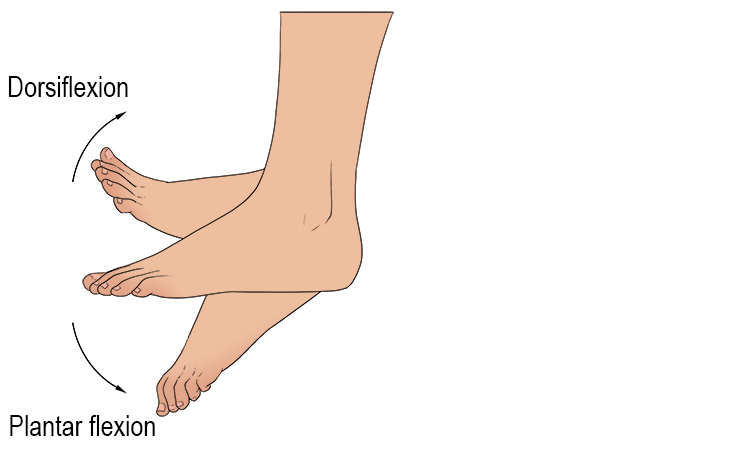
Take Zenkutsu-dachi (forward leaning stance). This position increases ankle flexibility (dorsiflexion), which research links to improved vertical jump performance, a huge plus for basketball and volleyball players (Panoutsakopoulos & Bassa, 2023). Strong, stable ankles also help prevent injuries, something crucial for high-impact sports.
Karate kicks develop dynamic flexibility, explosive strength and coordination, all essential for different sports.
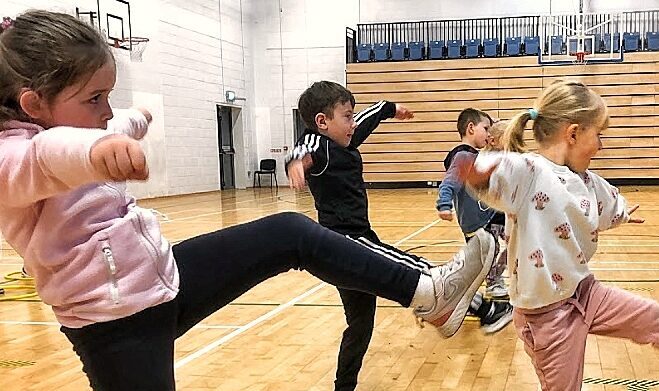
Karate includes two main types of training:
The movement involved in Kumite training builds agility, rhythm, and reaction time which are critical for sports like dance and football. It also mirrors the quick lateral movements needed by soccer goalkeepers and table tennis players, who must stay on their toes and react instantly to the ball.
While karate isn’t primarily a grappling martial art like Judo or Jiu-Jitsu, it still includes throws and takedowns that can be extremely beneficial for contact sports.
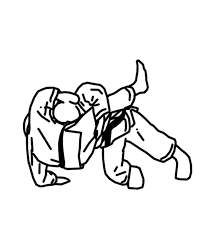
One example is Morote Gari, a lesser known karate throw that closely resembles the double leg takedown in wrestling. This technique mimics rugby tackles, making karate a great cross training option for players looking to improve their tackling ability and body control in Gaelic football and rugby.
Karate isn’t just about strong punches, it’s also a great way to build upper body strength! One key technique behind this is Hikite, the act of pulling one arm back while the other strikes, blocks, or locks. This movement isn’t just for show; it generates powerful rotational force and heavily engages muscles like the lats and traps, helping to build strength and stability.
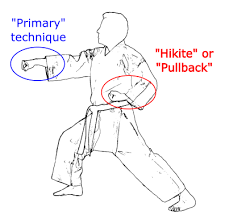
Along with classic bodyweight exercises like push-ups and sit-ups, Hikite plays a big role in karate’s ability to develop upper-body power. Plus, this pulling motion has crossover benefits for other sports, think throwing in cricket and handball, overhead serves in tennis and volleyball, and even swimming strokes like the front crawl!
Karate often incorporates training tools like tennis balls, bean bags, foam noodles, and even blunt weapons. These exercises aren’t just fun, they build hand eye coordination, proprioception, and spatial awareness. This is especially valuable for kids who may not engage in traditional ball sports but still need to develop object control skills.
Martial arts are more than just a great physical workout, they improve mental and cognitive skills that benefit both sports and academics.
Cognitive benefits include:
Kata, the set sequences of movements practiced in karate, are more than just a way to earn new belts, they’re a powerful tool for developing focus, memory, and discipline. These routines can range from 20 moves for beginners to over 50 at black belt level, requiring kids to learn, practice, and perfect them over time.
Research has shown that practicing kata can significantly improve concentration and attention in school-aged children. It’s also been linked to faster reaction times, better working memory, and even increased blood flow to the brain, all of which can support learning. Plus, studies suggest it helps reduce aggression, social difficulties, and symptoms of oppositional defiance disorder (which includes frequent anger, irritability, and arguing) (Bhattacharya, Chatterjee & Mondal, 2022; Farzaneh Parsamajd & Saeid Teymori, 2024).
Given all these benefits, it’s not surprising that kids who practice martial arts tend to score higher academically than those who don’t play sports, or even those involved in team sports (Giordano, Gómez-López & Alesi, 2021). Karate isn’t just great for physical skills, it’s a serious brain booster too!
At School Fitness Ireland, we believe there’s a sport for every child, and we’re here to help schools introduce new activities that can engage all students. Karate is a fun, non competitive way to build confidence, develop movement skills, and support physical and cognitive growth. If you’re looking for something different to bring to your school, why not give martial arts a go? Your students might just find their new favourite sport! Click here to book!