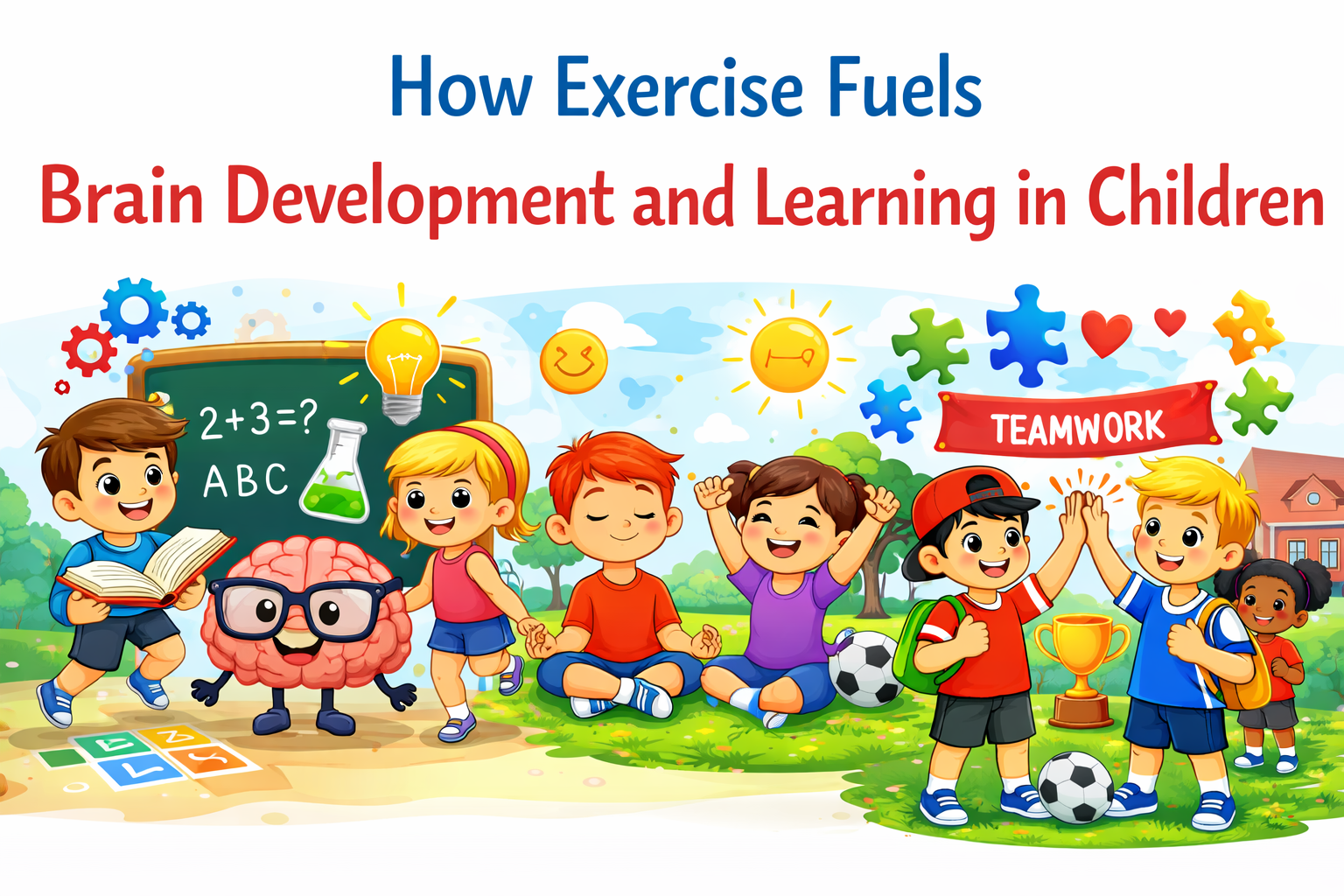
During the primary school years, children experience rapid brain development. Between the ages of 5 and 11, the brain is constantly building new connections that support learning, memory, and emotional growth. One of the most powerful ways to support this development is through regular physical activity.
Research in neuroscience and education shows that exercise does much more than improve physical health. It also strengthens brain function, enhances learning ability, and supports mental wellbeing. For primary school children, regular movement can improve concentration, reduce stress, and help develop important social and emotional skills.
In this article, we explore how exercise fuels children’s brain development and why physical activity is essential in primary school education.
Physical activity plays a key role in helping children grow both mentally and physically. As children learn new skills in school, their brains rely on strong neural connections to process information, solve problems, and remember what they have learned.
Exercise supports these processes by:
Schools that promote regular movement throughout the day help create healthier, happier, and more engaged students.
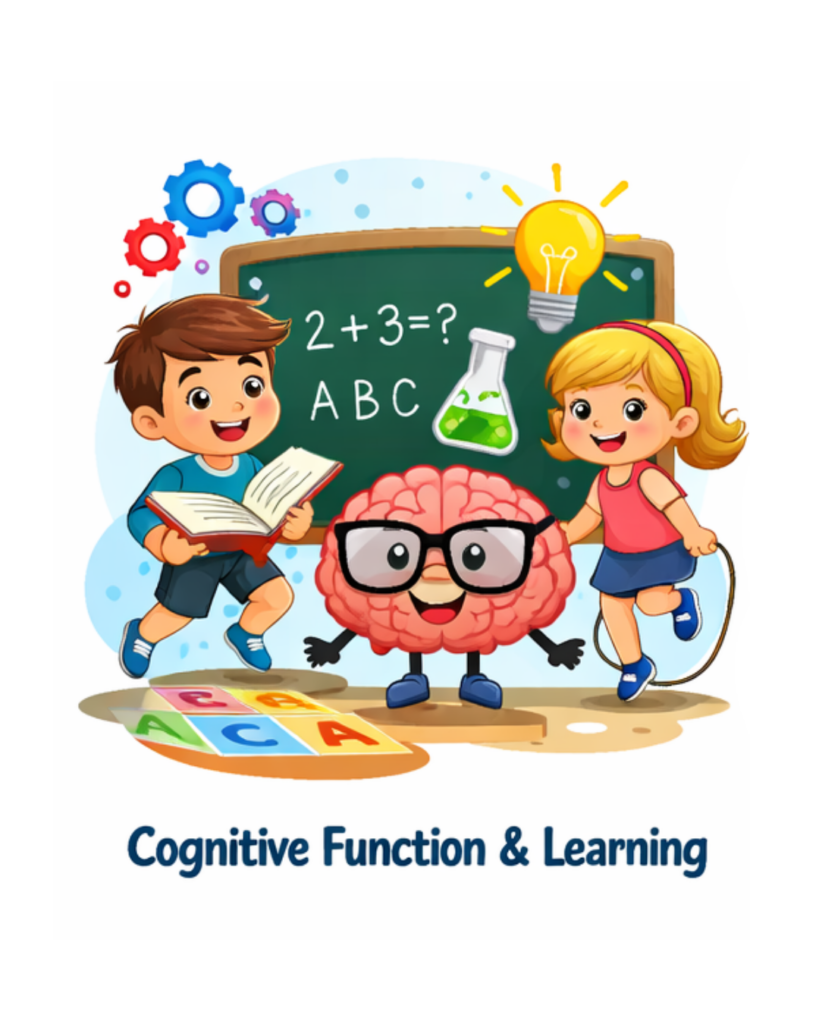
One of the most important benefits of exercise is its impact on cognitive development. Regular physical activity helps improve several key brain functions that children rely on for learning in the classroom.
Exercise increases blood flow to the brain, delivering oxygen and nutrients that allow brain cells to function effectively. It also stimulates the release of brain-derived neurotrophic factor (BDNF), a protein that supports the growth and development of neurons and strengthens connections between brain cells. These connections are particularly important during childhood, when the brain is still forming networks that support learning and memory.
Research by Hillman, Erickson, and Kramer (2008) found that children who engage in regular physical activity show improvements in:
These cognitive improvements can help students concentrate for longer periods of time and perform better academically in subjects such as reading, maths, and critical thinking.
Even short bursts of movement during the school day can make a difference. Activities such as movement breaks, playground games, and physical education classes can improve classroom behaviour and increase students’ ability to stay focused on tasks.
For many children, including those who experience learning difficulties, movement can be an especially powerful learning tool. From personal experience as someone who has navigated education with dyslexia, incorporating physical activity into learning can improve memory, engagement, and overall confidence in school.
Primary school students often experience stress related to academic expectations, social relationships, and adjusting to structured school environments. Regular physical activity can help children manage these pressures more effectively.
Exercise helps regulate the body’s stress response by reducing levels of cortisol, a hormone associated with stress. At the same time, physical activity stimulates the release of chemicals in the brain such as endorphins, dopamine, and serotonin. These chemicals are linked to positive mood, emotional balance, and overall wellbeing.
As a result, children often feel calmer, happier, and more relaxed after participating in physical activity.
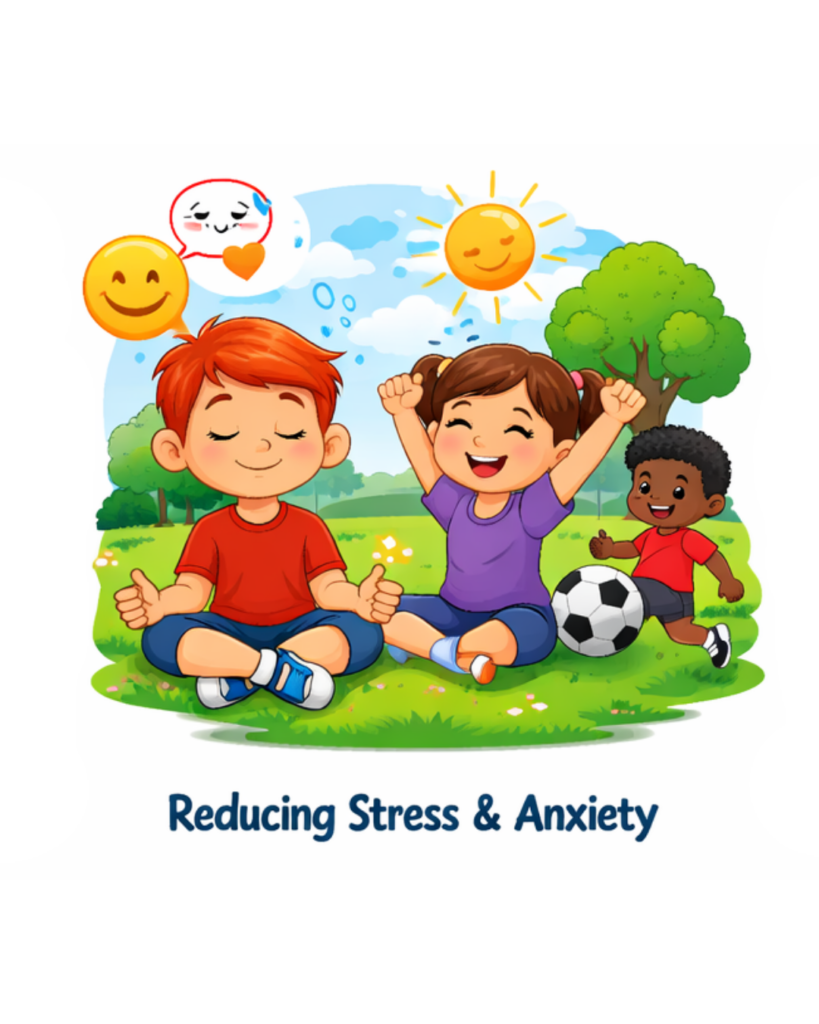
Research by Biddle and Asare (2011) found that children and adolescents who engage in regular exercise experience lower levels of anxiety and improved psychological wellbeing.
Activities such as:
allow children to release excess energy and tension in a healthy way. Physical activity can also improve sleep quality, which plays a vital role in maintaining good mental health and emotional balance.
By helping children regulate their mood and manage stress, exercise supports a positive learning environment and allows students to participate more fully in classroom activities.
In addition to cognitive and mental health benefits, exercise also helps children develop important emotional and social skills.
Emotional regulation is the ability to recognise, understand, and manage emotions effectively. This is a key developmental skill during childhood and plays an important role in children’s ability to form relationships and navigate social situations.
Many physical activities in schools involve teamwork, cooperation, and communication. Through sports, playground activities, and group exercises, children learn valuable social skills such as:
These experiences help children build friendships and develop a sense of belonging within their school community.
Research by Lubans (2016) shows that school-based physical activity programmes can improve children’s self-esteem, confidence, and emotional resilience. When children learn new physical skills or achieve personal goals through exercise, they experience a sense of accomplishment that boosts motivation and self-belief.

Exercise can also act as a healthy outlet for strong emotions such as excitement, frustration, or anger. Physical activity provides children with a constructive way to release energy and manage their feelings, helping them develop stronger coping skills over time.
Because the brain develops so rapidly during the primary school years, creating opportunities for movement throughout the school day is extremely important.
Schools can support students by incorporating:
Encouraging physical activity not only supports children’s physical health but also strengthens learning, emotional wellbeing, and social development.
Programmes that promote active learning and school fitness can help ensure that students remain engaged, confident, and ready to learn.
Exercise plays a vital role in supporting the cognitive, emotional, and social development of primary school children. Regular physical activity strengthens the brain by improving memory, attention, and problem-solving skills while also helping children manage stress and build emotional resilience.
Movement also encourages teamwork, confidence, and positive relationships with peers, all of which contribute to a healthy and supportive school environment.
By integrating regular exercise into daily routines, schools can help children develop stronger minds, healthier bodies, and the skills they need to succeed both in the classroom and in life. Promoting physical activity in schools is therefore one of the most effective ways to support the wellbeing and academic success of the next generation.
References:
Biddle, S.J.H. and Asare, M., 2011. Physical activity and mental health in children and adolescents: a review of reviews. British Journal of Sports Medicine, 45(11), pp.886–895.
Hillman, C.H., Erickson, K.I. and Kramer, A.F., 2008. Be smart, exercise your heart: exercise effects on brain and cognition. Nature Reviews Neuroscience, 9(1), pp.58–65.
Lubans, D.R., Richards, J., Hillman, C.H., Faulkner, G., Beauchamp, M.R., Nilsson, M., Kelly, P., Smith, J., Raine, L.B. and Biddle, S.J.H., 2016. Physical activity for cognitive and mental health in youth: a systematic review of mechanisms. Preventive Medicine, 76, pp.1–8.