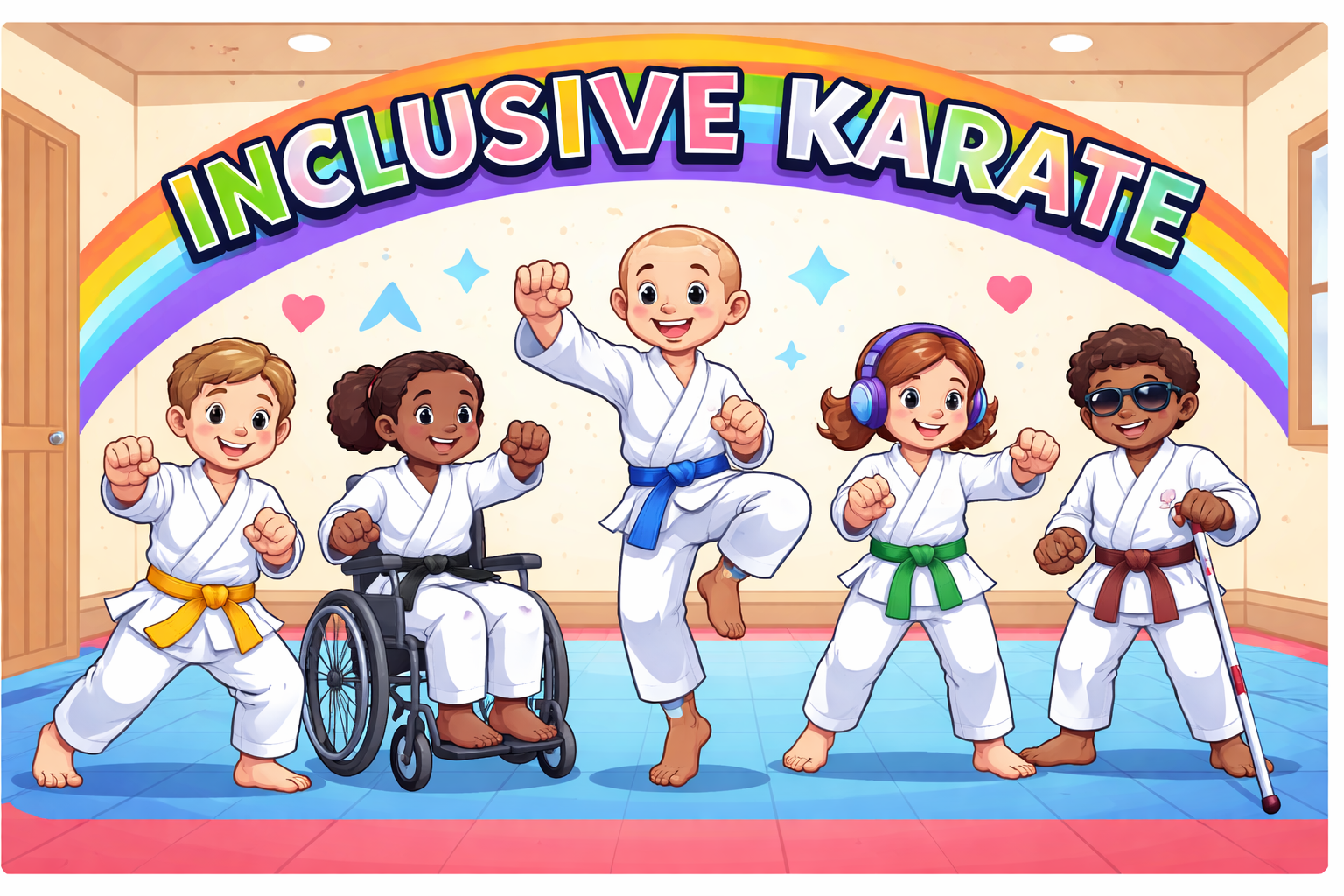
Karate offers far more than physical activity alone. For children with disabilities, structured martial arts training can support strength, coordination, confidence, focus and emotional regulation. In Irish schools, inclusive karate programmes are increasingly being used as part of broader school fitness and wellbeing initiatives, helping children of all abilities participate in meaningful physical activity.
Karate is particularly effective because it is structured, adaptable and self-paced. This allows children to progress at their own speed while feeling supported, valued and capable. For schools across Ireland looking to enhance inclusive physical education, karate provides a safe, engaging and empowering option.
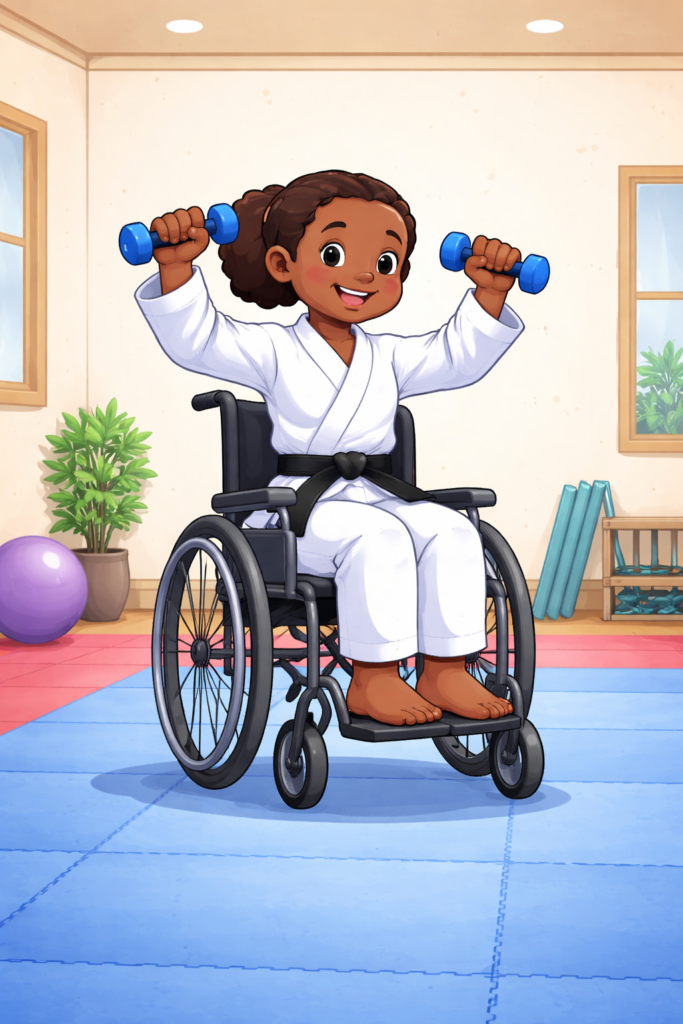
Karate is based on controlled bodyweight movements that develop strength without the need for external weights. This makes it especially suitable for children with additional needs, as movements can be adapted and repeated safely.
Regular karate practice helps children to:
Balance is a key component of karate training. Practising stances and controlled kicking movements teaches children how to stabilise their bodies, shift weight effectively and engage their core muscles. These skills can help reduce the risk of falls and improve confidence in movement both inside and outside school.
Slow, deliberate transitions between movements also strengthen the body–mind connection. Partner drills and pad work further enhance hand–eye coordination and timing in a supportive, non-competitive environment.
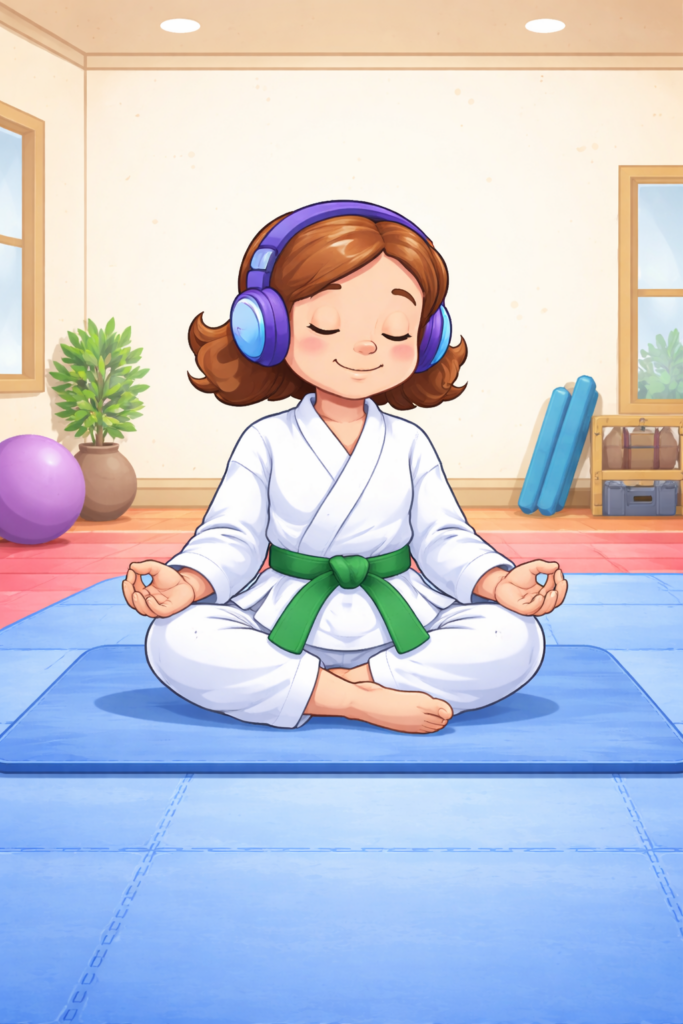
Karate classes follow a predictable structure, which is particularly beneficial for children who may struggle with concentration, sensory processing or emotional regulation. Each class typically includes a warm-up, technique practice, drills and a cool-down, creating consistency and routine.
Through karate training, children learn to:
Breathing techniques are also integrated into karate sessions. These exercises help calm the nervous system and teach children practical tools for managing stress and anxiety. Many students transfer these skills into classroom situations and everyday life.
For children with autism or anxiety, the structured and predictable rhythm of karate classes can be especially reassuring. Knowing what to expect each week creates a safe learning environment where confidence can grow gradually.
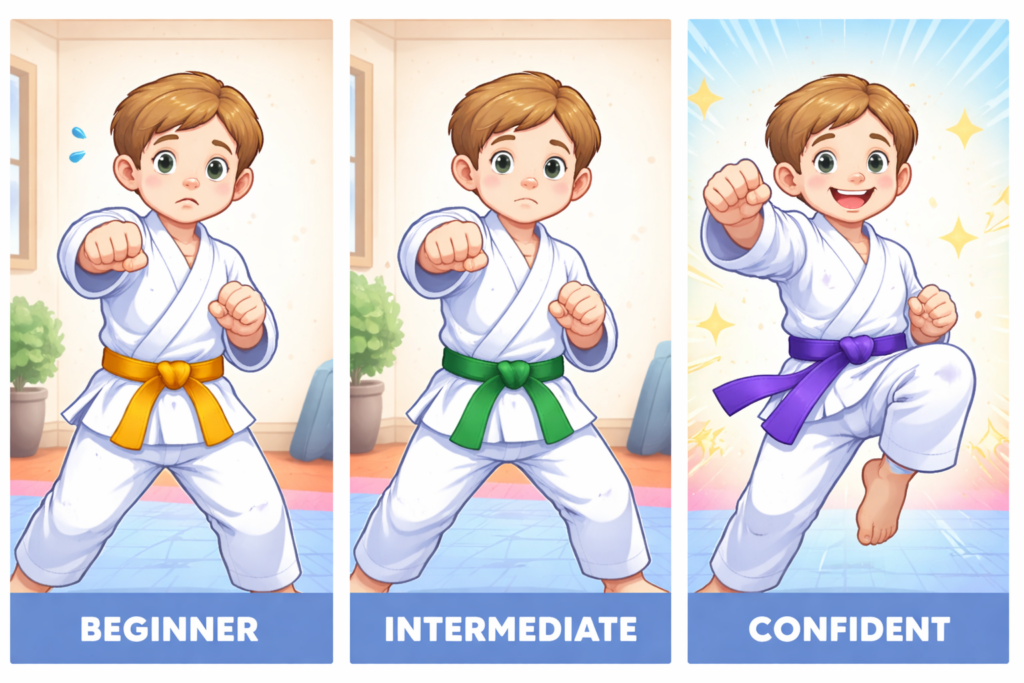
One of the most powerful benefits of karate for children with disabilities is the development of confidence and self-belief. Progress in karate is visible and measurable through learning new techniques, earning stripes and advancing through belt levels.
Karate promotes an “I can” mindset, reinforcing the idea that with practice and perseverance, new skills are achievable. Children are encouraged to focus on personal improvement rather than comparison with others.
This positive reinforcement helps to:
Because karate is self-paced, children can develop at a speed that suits them, free from the pressure often found in competitive team sports.
Karate classes provide a welcoming and inclusive community where children work together toward shared goals. Higher-graded students often support beginners, encouraging cooperation rather than competition.
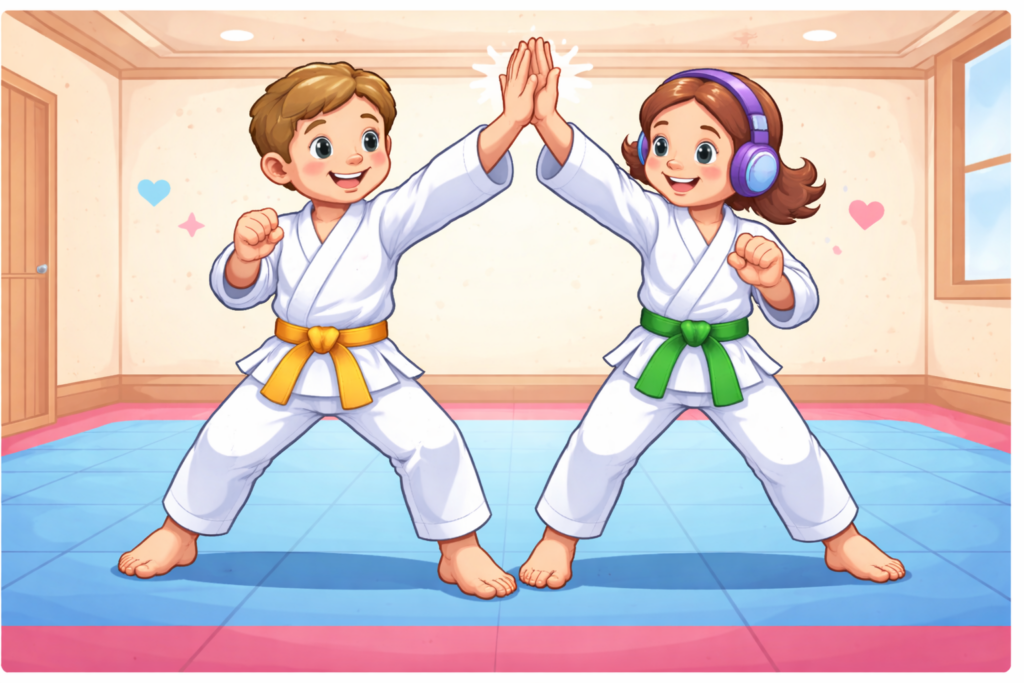
Group activities and partner drills help children:
Unlike many team sports, karate focuses on personal growth rather than winning or losing. This makes it an ideal activity for children who may feel overwhelmed by competitive environments.
Karate is also built on respect. Children learn to respect instructors, peers and themselves through simple traditions such as bowing, patience and helping others. These social skills often transfer positively into classroom and school settings.
Karate offers children a healthy outlet for emotions such as frustration, anxiety and stress. Physical movement provides a safe and controlled way to release energy, particularly for children who may find it difficult to express feelings verbally.
The structured nature of a karate class creates consistency and predictability, reducing anxiety and supporting emotional regulation. Over time, children learn how to manage their emotions while developing resilience.
Breathing techniques taught in karate help calm the nervous system and promote self-control. These tools can be used beyond the dojo, supporting children at home and in school environments.
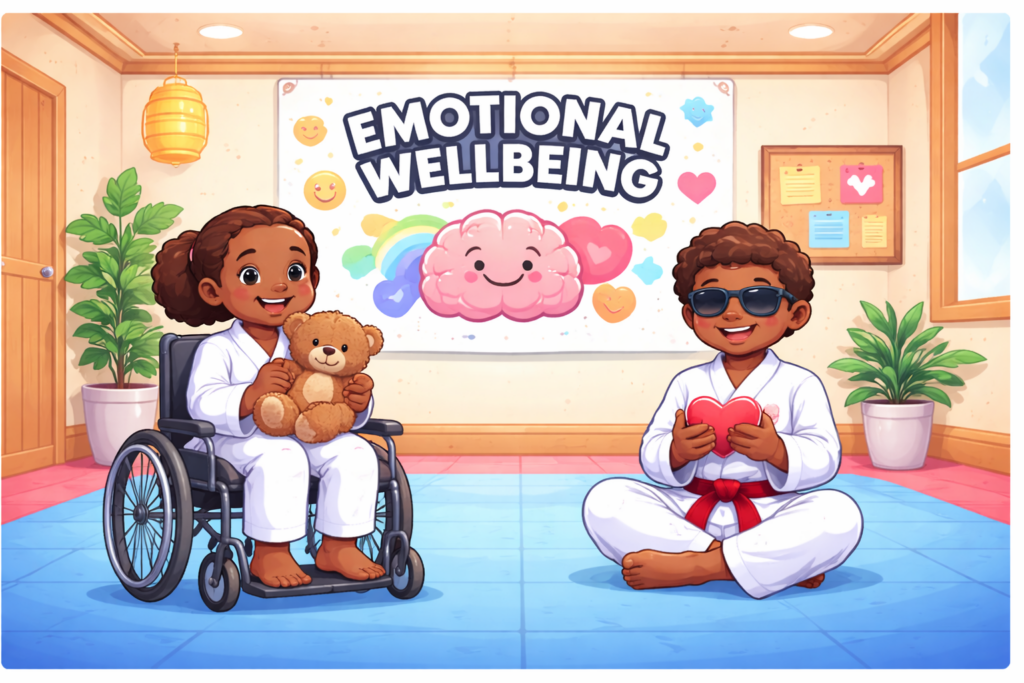
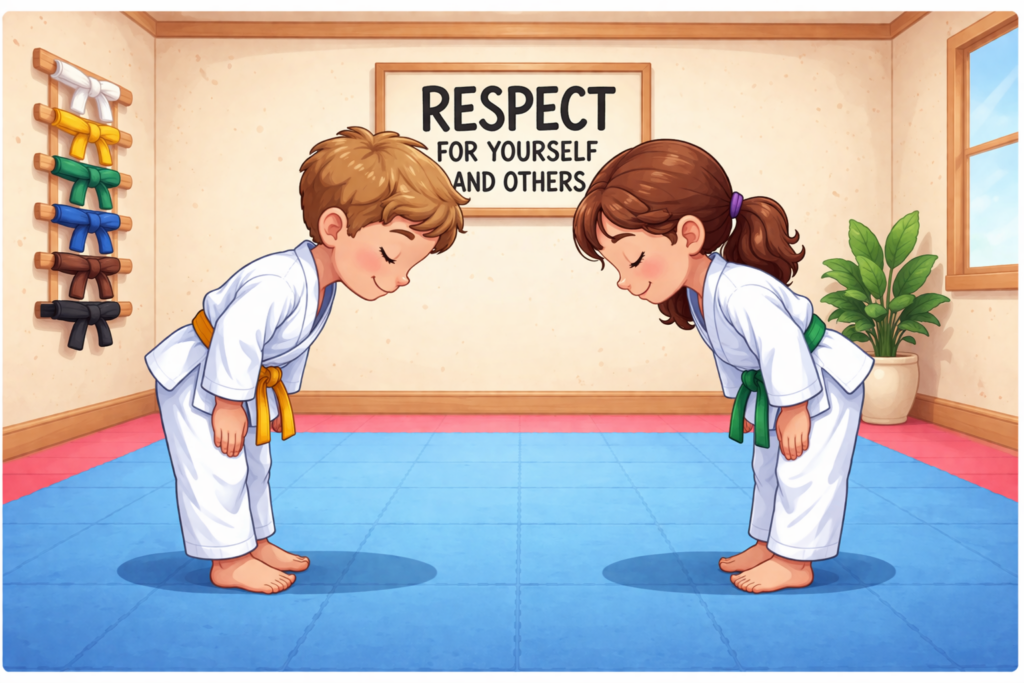
Respect is a core value of karate and is taught from the very first class. Children learn that respect is shown through actions as well as words.
Karate also helps children develop:
These values help build strong character and support long-term personal development, benefiting children well beyond physical fitness.
Schools across Ireland are increasingly focusing on inclusive physical education and student wellbeing. Karate aligns well with these goals because it can be adapted for all abilities and delivered in a structured format.
Inclusive karate programmes can support:
Because karate does not rely on traditional team selection, every child can take part and progress at their own level.
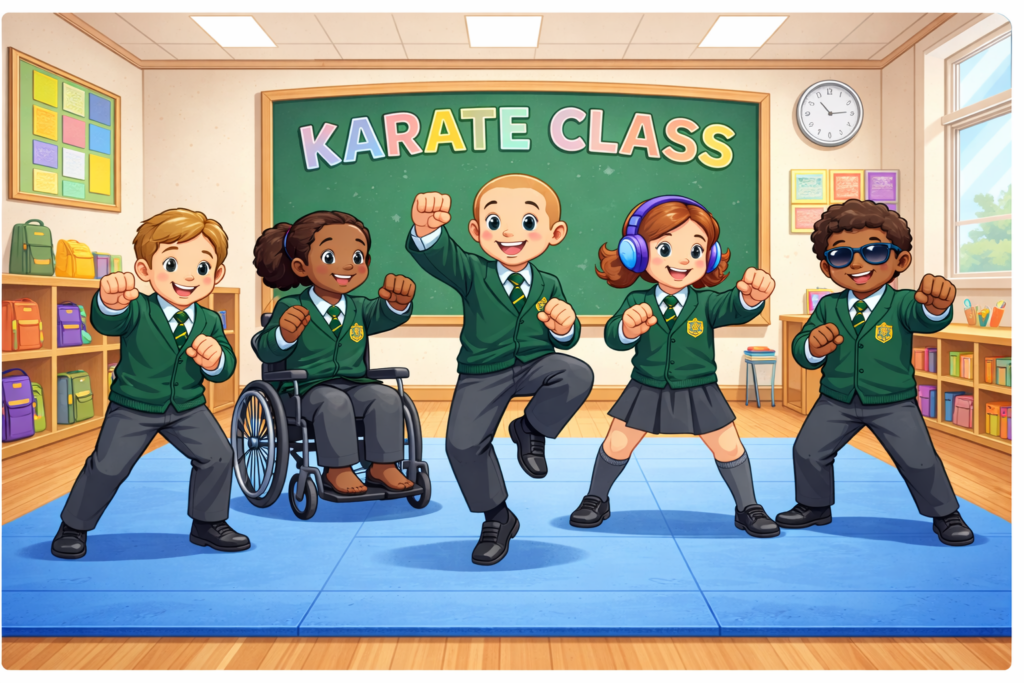
School-based karate sessions can be delivered during PE lessons, wellbeing weeks or as part of inclusive school fitness programmes. Sessions are designed to be safe, structured and engaging, ensuring all children feel supported.
Inclusive karate programmes help schools to:
Yes. Karate's structured and predictable format helps children with autism develop routine, focus and emotional regulation while improving motor skills.
Yes. Movements can be modified and taught at an individual pace, allowing all children to participate safely.
Karate can be introduced from junior infants through to secondary school, with activities adapted for each age group.
Karate focuses on individual progress rather than competition, making it ideal for inclusive physical education settings.
Karate offers much more than physical exercise for children with disabilities. Through structured movement, consistent routines and positive reinforcement, children develop strength, focus, confidence and emotional resilience.
Most importantly, karate creates an inclusive environment where every child is supported, valued and encouraged to succeed at their own pace. When incorporated into school fitness programmes in Ireland, karate can be a powerful tool for helping children thrive both inside and outside the classroom.
Looking for inclusive fitness programmes for your school?
Inclusive karate sessions can support children of all abilities through structured, engaging movement designed specifically for schools. School Fitness Ireland offer 6 week karate programs that achieve just that, led by coaches with extensive years of training in, and coaching, martial arts.
Click Below and Book an Inclusive Karate Programme for Your School in Ireland today!