By Eoin Keane
As parents and educators, we all want children to grow up healthy, confident, and active. Yet in modern Ireland, this is becoming increasingly challenging. Screen time is rising, outdoor play is declining, and many children are not meeting basic physical activity guidelines.
A 2023 report by the University of Limerick for Sport Ireland, Sport Northern Ireland, and Healthy Ireland found that only 15% of Irish children achieve the recommended 60 minutes of daily moderate-to-vigorous physical activity (CSPPA, 2022). At the same time, the HSE’s Childhood Obesity Surveillance Initiative (COSI) revealed that 17.7% of Irish children are overweight or obese (HSE, 2024).
So how can families and schools support healthier habits that last beyond childhood?
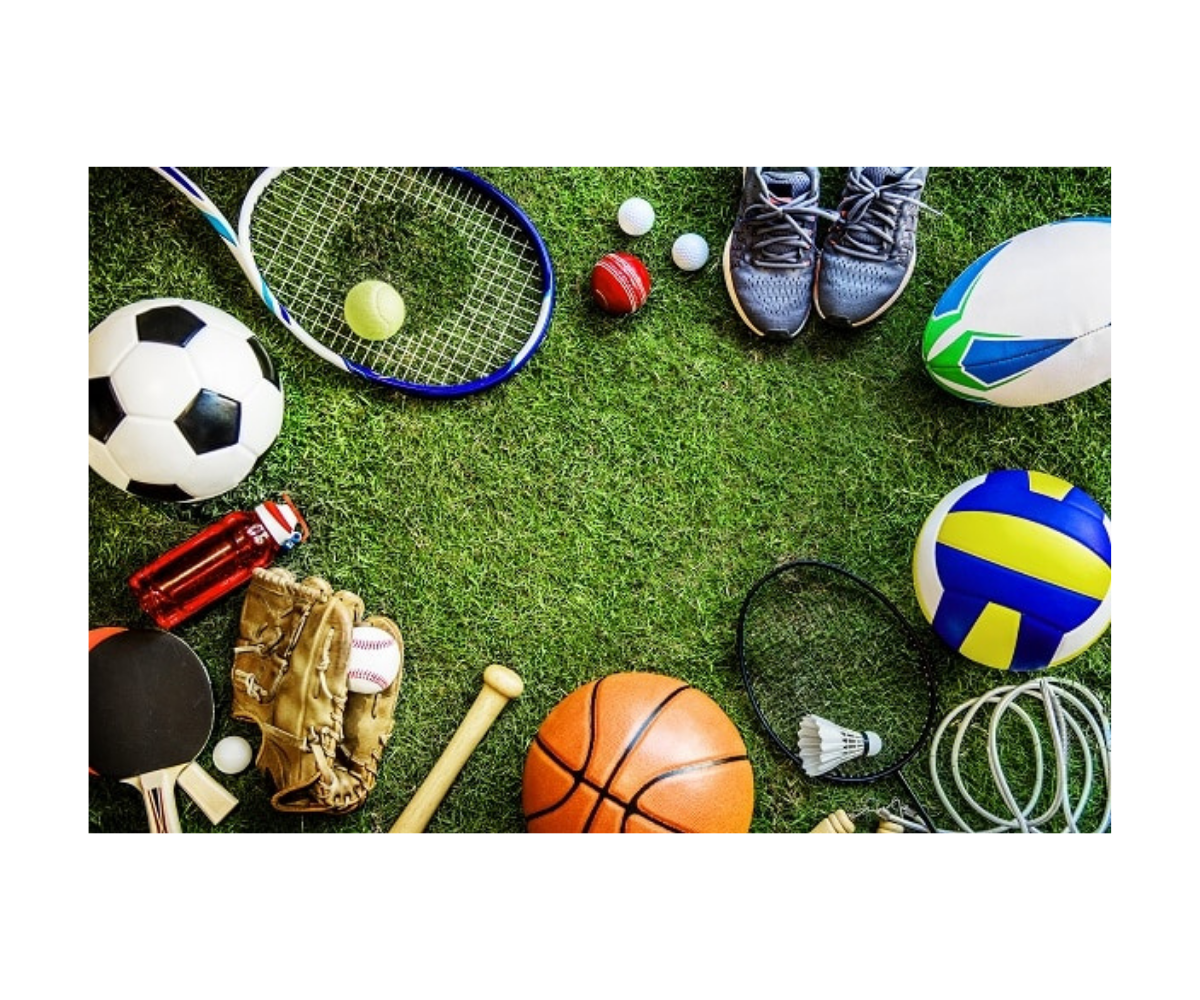
A growing body of research points to a simple but powerful solution: multisport participation. Encouraging children to play more than one sport supports not only physical fitness, but also mental wellbeing, social development, and lifelong engagement in physical activity.
Multisport participation refers to children engaging in a variety of sports and physical activities, rather than specialising in one sport year-round at an early age. This approach aligns strongly with best practice recommendations from international health and sports medicine organisations.
Instead of focusing on performance or early talent identification, multisport participation prioritises:
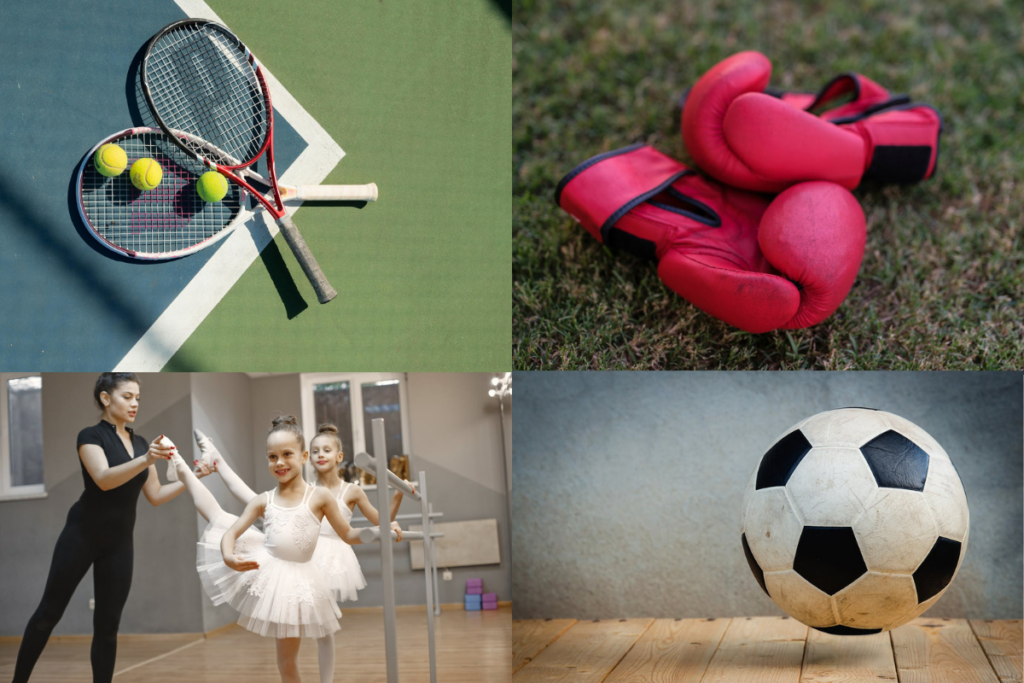
Children who participate in multiple sports develop more well-rounded physical fitness than those who specialise early in a single activity. Different sports challenge different muscle groups, movement patterns, and energy systems, helping children become stronger, more coordinated, and more resilient.
Research by Linker et al. (2022) found that multisport participation is associated with:
Compared with single-sport participants or inactive peers, multisport children demonstrate superior overall physical fitness and movement competence. This variety also reduces repetitive loading on the same joints and tissues, supporting healthier physical development.
Early sport specialisation — where children train in one sport year-round while excluding others — has become increasingly common. However, evidence consistently shows that this approach carries significant risks.

A comprehensive review by Jayanthi et al. found that early specialisation is linked to higher rates of overuse injuries, particularly in the lower limbs. These injuries include muscle strains, stress fractures, and ligament damage, often requiring prolonged rest or medical intervention (Jayanthi et al., 2019).
Leading organisations such as the:
all strongly discourage early sport specialisation. Instead, they recommend delaying single-sport focus until late adolescence, allowing children’s bodies and movement skills to mature naturally.
Additional recommendations include:
The risk of overuse injury increases when weekly training hours exceed a child’s age or when children specialise early in individual sports such as gymnastics or tennis.
The benefits of multisport participation extend far beyond physical health. Children’s mental wellbeing and social development are equally important — and strongly influenced by how they experience sport.
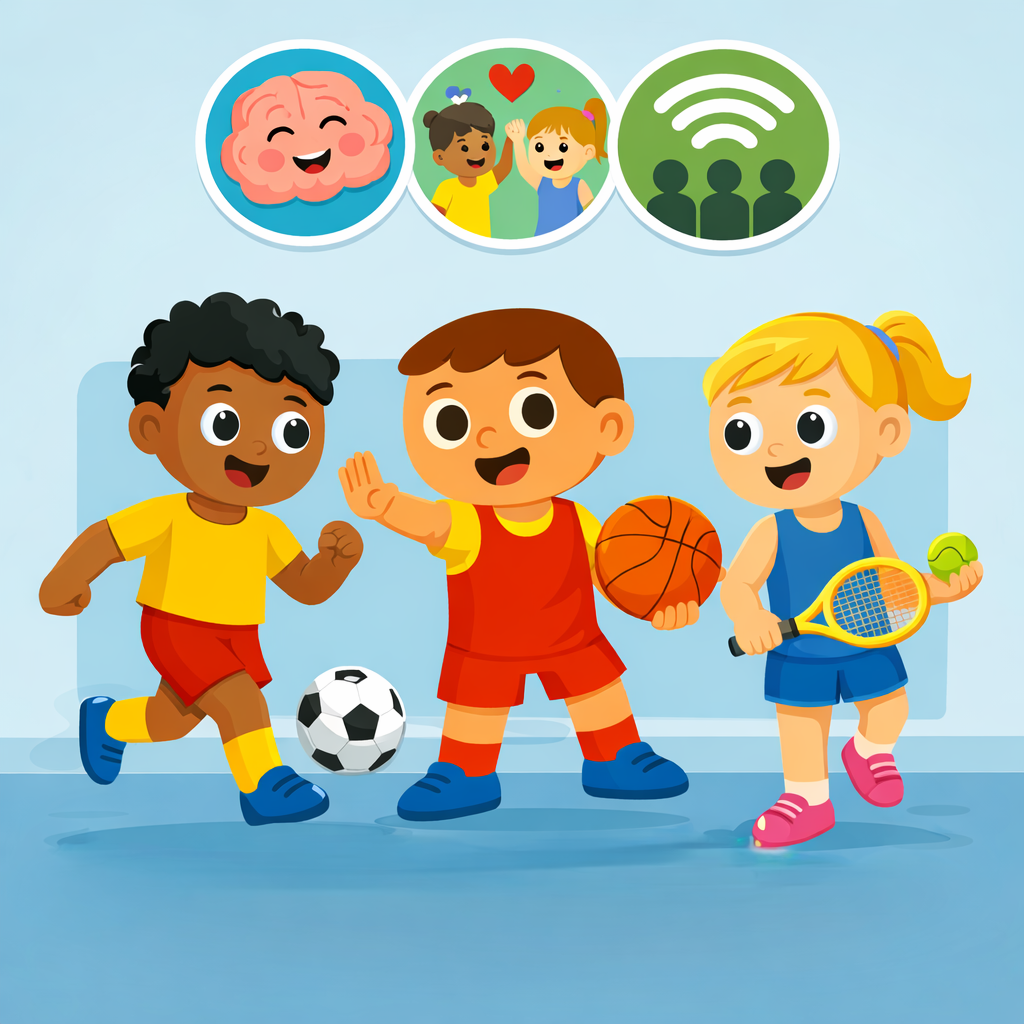
Research indicates that early sport specialisation is associated with:
According to Raedeke’s burnout framework, burnout is characterised by emotional exhaustion, a reduced sense of accomplishment, and a loss of enjoyment in sport (Raedeke, 1997). Year-round, high-pressure training environments can accelerate these outcomes.
In contrast, children who play multiple sports:
A systematic review by Brenner et al. (2019) also links early specialisation with increased anxiety, sleep disturbances, and diminished intrinsic motivation, reinforcing the importance of variety and balance during childhood.
Contrary to popular belief, multisport participation does not hinder long-term athletic success — it may actually enhance it.
A systematic review by McLellan et al. (2022), examining 29 studies of elite, professional, and Olympic athletes, found that late specialisation was associated with:
Notably:
Güllich’s research further supports these findings, showing that athletes who sampled multiple sports in childhood were more likely to reach elite levels later in life (Güllich et al., 2018).

Beyond sport, Kohl (2017) found that high school multisport athletes achieved higher GPAs than single-sport peers, suggesting that exposure to diverse physical and cognitive challenges may also support academic success.
While the benefits are clear, access to multisport opportunities is not equal for all children. Socioeconomic factors play a significant role in determining who can participate.
Research by Kearney et al. (2023) found that:
Conversely, single-sport participation was more common among lower-income children (45.8%), often due to financial, transport, or time constraints rather than personal choice.
These findings highlight the crucial role of schools and community-based programmes in providing inclusive, low-cost opportunities for varied physical activity.
Encouraging multisport participation is not about creating elite athletes — it’s about supporting healthy, happy, and physically literate children.
Practical steps include:
School environments, in particular, play a vital role in ensuring that every child, regardless of background or ability, has access to varied and meaningful physical activity experiences.
The evidence is clear: children who engage in multiple sports develop stronger bodies, healthier minds, and a greater likelihood of staying active throughout life. Multisport participation fosters resilience, confidence, and a positive relationship with movement that extends far beyond childhood.
For parents and schools alike, supporting variety in sport and physical activity may be one of the most impactful decisions we can make for children’s long-term wellbeing.
References:
Brenner, J.S. et al. (2019) 'The Psychosocial Implications of Sport Specialization in Pediatric Athletes in the United States: Replacing “Just Do It” with “More Is Better"', Current Sports Medicine Reports, 18(4), pp. 122-129. doi: 10.1249/JSR.0000000000000584.
Children's Sport Participation and Physical Activity Study (CSPPA) (2022) Full report. University of Limerick, Dublin City University, University College Cork and Ulster University. Available at: https://www.sportireland.ie/sites/default/files/media/document/2023-08/CSPPA%202022%20Full%20Report.pdf
Güllich, A., Macnamara, B.N. and Hambrick, D.Z. (2018) 'What Makes a Champion? Early Multidisciplinary Practice, Not Early Specialization, Predicts World-Class Performance', Perspectives on Psychological Science, 13(6), pp. 701-714. doi: 10.1177/1745691618772709.
Health Service Executive (HSE) (2024) The Childhood Obesity Surveillance Initiative (COSI) in the Republic of Ireland – Findings from 2022 and 2023. Dublin: HSE.
Jayanthi, N.A. et al. (2019) 'Health Consequences of Youth Sport Specialization', Journal of Athletics Training, 54(10), pp. 1072-1079. doi: 10.4085/1062-6050-564-18.
Kearney, P.E. et al. (2023) 'Higher Family Affluence is Associated With Multi-Sport Participation Among Irish Youth', Perceptual and Motor Skills, 130(5), pp. 1869-1888. doi: 10.1177/00315125231199400.
Kohl, C.J. (2017) The Academic and Behavioral Impact of Multiple Sport Participation on High School Athletes. EdD thesis. Lindenwood University. Available at:
https://digitalcommons.lindenwood.edu/cgi/viewcontent.cgi?article=1206&context=dissertations
Linker, J.M. et al. (2022) 'Single and Especially Multisport Participation May Increase Physical Fitness in Youth', Journal of School Health, 93(5), pp. 431-439. doi: 10.1111/josh.13265.
McLellan, M. et al. (2022) 'Youth Sports Specialization and Its Effect on Professional Performance: A Systematic Review', Orthopaedic Journal of Sports Medicine, 10(11). doi: 10.1177/23259671221129594.
Raedeke, T. D. (1997). Is athlete burnout more than just stress? A sport commitment perspective. Journal of Sport & Exercise Psychology, 19(4), 396–417.